
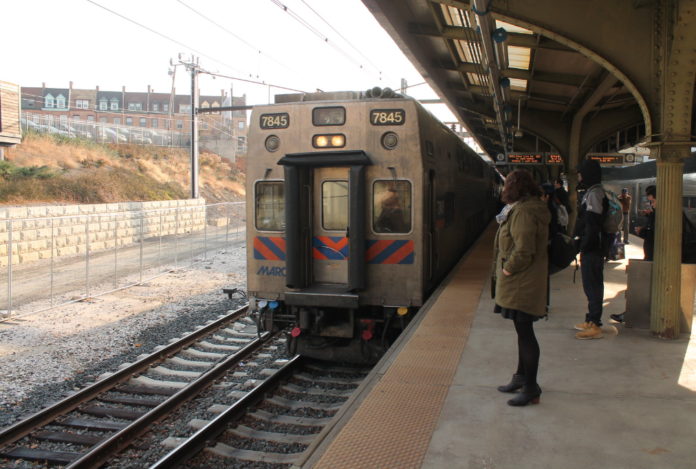
I am writing this from the claustrophobic confines of a stationary MARC train. We are completely stopped. The automated intercom just buzzed to life with that all-too-familiar, blood-boiling excuse: “We are experiencing delays due to traffic ahead.”
If you are a regular Maryland commuter, this announcement isn’t just an inconvenience. It is the repetitive soundtrack to your stolen time.
The False Choice of the Tracks
Sometimes the transit authorities blame a broken signal. Sometimes it is emergency track maintenance. But let’s cut through the public relations spin. More often than not, we are sitting here because multi-billion-dollar freight monopolies like CSX own the steel beneath us, and their cargo gets priority over our lives.
Let’s dismantle the corporate defense immediately: Yes, freight railroads keep our store shelves stocked, construction materials moving, and the regional economy running. But human beings are not secondary cargo. Commuter rail is not a hobby; it is the lifeblood of our workforce.
Every single stalled MARC train carries hundreds of teachers, nurses, parents, and students. When a freight dispatcher shunts a passenger train onto a siding to let a mile-long line of cargo containers roll past, they aren’t just managing track capacity. They are actively disrupting human lives.
The Human Cost of Corporate Priority
The true cost of these delays isn’t measured in railcars or freight weight. It is measured in the heavy toll exacted from everyday Marylanders: missed morning meetings that jeopardize careers, late childcare pickups resulting in frantic phone calls and financial penalties, missed medical appointments months in the making, and lost personal time with family that can never be recovered.
This isn’t a minor scheduling hiccup. It is systemic disrespect masquerading as logistics.
Enough with the Excuses
We are told this isn’t about pointing fingers at CSX. We are told not to pit passengers against freight. Why shouldn’t we?
Maryland taxpayers continuously pour millions of dollars into upgrading commuter rail because reliable public transit is a public good. Yet, these public investments are continuously bottlenecked by private entities that refuse to expand track capacity to match modern demands.
Passengers do not care about the corporate logos stamped on the tracks. We care about arriving on time. It is time for state leaders to stop pleading with freight companies and start demanding a rail network built for the 21st century—one with the dedicated track capacity to ensure that citizens are never forced to wait on corporate permission to get home.