
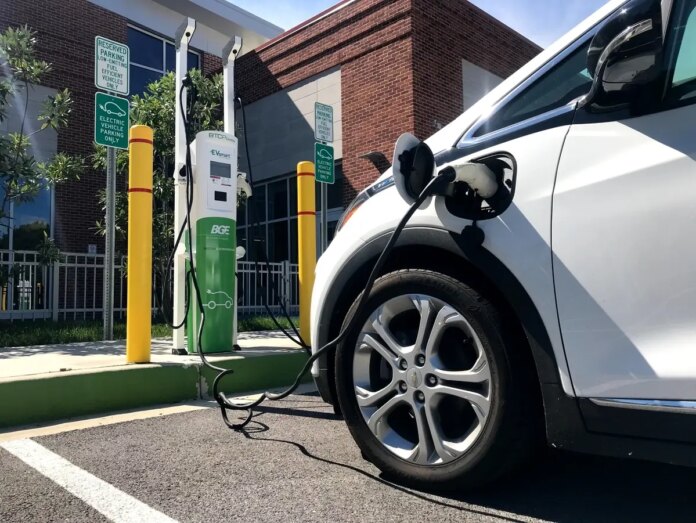
Recent fluctuations in gasoline prices have shifted the cost dynamics between electric and gas-powered vehicles. In the past, fueling an electric vehicle was more expensive than a gas-powered car in eight states, including West Virginia. However, rising gasoline prices have diminished that disparity in most areas.
The extent of savings varies significantly across different states. Factors such as gas prices, electricity rates, and the sources of electricity generation all impact the overall costs for drivers. For instance, in Wisconsin, gasoline prices have surged while electricity rates have remained relatively stable.
Understanding Cost Estimates
The figures provided are averages and do not represent the exact costs every driver will incur. Actual expenses depend on several variables, including the distance driven, vehicle efficiency, local utility rates, and whether the electric vehicle is charged at home or at a public charging station.
Additionally, larger vehicles like trucks and SUVs tend to consume more fuel compared to smaller cars and sedans. According to a calculator from The Washington Post, a gas vehicle that achieves 20 miles per gallon incurs significantly higher operating costs than one that gets 36 miles per gallon.
The initial purchase price of electric vehicles also plays a crucial role in the decision-making process. While electric vehicles typically have higher upfront costs, the federal tax incentives that previously helped reduce these costs have now expired. As a result, sales of hybrid vehicles have increased as consumers look for ways to lower fuel expenses without fully relying on charging infrastructure.