
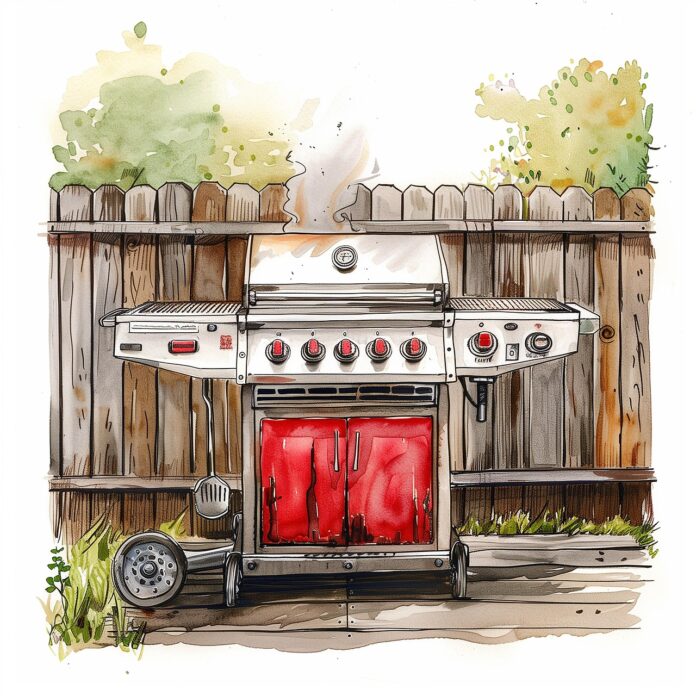
Installing an outdoor kitchen can significantly enhance your backyard experience, allowing you to enjoy cooking and entertaining in nature. However, outdoor kitchens, which are continuously exposed to weather conditions, face the looming threat of mold and mildew. These unwelcome invaders not only detract from the kitchen’s appearance and cleanliness but can also pose health risks and result in hefty repair costs.
Selecting the right materials for your outdoor kitchen cabinets often boils down to a choice between stainless steel and particle board. Although particle board may initially seem like a cost-effective option, it can become a breeding ground for mold and mildew, costing you more in the long run. In contrast, stainless steel outdoor kitchens completely mitigate this issue, offering unmatched durability, hygiene, and long-lasting functionality. In this article, we will delve into the reasons why stainless steel should be your preferred choice for keeping your outdoor kitchen free of mold.
- The Mold Issue in Outdoor Kitchens
Outdoor kitchens are naturally subjected to moisture from rain, humidity, and spills that occur during cooking and cleaning. These conditions create an ideal environment for mold, especially on porous surfaces that hold moisture and organic debris.
Understanding Mold and Its Risks
Mold is a type of fungi that flourishes in damp, warm, and poorly ventilated spaces. If left unaddressed, mold can:
- Cause damage to your kitchen cabinets by deteriorating the material.
- Release spores into the air, which may trigger allergies, asthma, and other health issues.
- Produce unpleasant odors that can linger in your outdoor area.
Once mold infiltrates a material, it’s challenging to eradicate it entirely without replacing the affected part—highlighting the importance of preventing mold growth from the outset.
- Why Particle Board is Prone to Mold Growth
Particle board, often referred to as composite wood, consists of small wood particles and sawdust bound together with adhesive resins. While it is occasionally used in budget-friendly indoor furniture, its properties make it particularly susceptible to mold growth when used in outdoor kitchen cabinetry.
The Dangers of Particle Board in Outdoor Kitchens:
- Highly Absorbent: Particle board readily absorbs moisture, acting like a sponge particularly in rainy or humid conditions. This trapped moisture becomes a haven for mold and mildew.
- Vulnerable to Water Damage: Once particle board gets wet, it swells, warps, and loses its structural integrity, making it even more vulnerable to mold.
- Organic Composition: The wood particles within particle board provide a food source for mold, facilitating its growth.
- Difficult to Clean: If mold or mildew arises, the porous nature of particle board makes complete removal nearly impossible. Cleaning efforts may still leave spores beneath the surface, resulting in recurring mold outbreaks.
- Temporary Solutions: While sealing options like veneers or laminates may offer short-term protection, they can deteriorate over time. Once compromised, moisture can penetrate, allowing mold to flourish.
Using particle board in your outdoor kitchen may save you money initially, but the likelihood of mold infestations makes it a costly and frustrating long-term choice.
- Stainless Steel: The Ultimate Mold-Free Solution
In contrast to particle board, stainless steel is entirely non-porous and naturally resists mold and mildew. It stands out as the ideal material for outdoor kitchens, emphasizing hygiene, durability, and mold prevention.
How Stainless Steel Prevents Mold Growth:
- Non-Porous Surface: Stainless steel does not absorb moisture, grease, or organic materials, denying mold the damp surfaces it requires for growth.
- No Nutrients for Mold: Mold thrives on organic matter, but since stainless steel is an inorganic metal, it does not offer the nutrients necessary for mold growth.
- Simple Cleaning: The smooth, flat surface of stainless steel makes it easy to wipe clean. Mold spores and bacteria cannot penetrate, so regular cleaning ensures growth is completely prevented.
- Weather Resistant: Whether facing heavy rain, humidity, or snow, stainless steel is impervious to water, ensuring it won’t swell, rot, or degrade like particle board.
- Hygienic Material: Stainless steel is commonly used in professional kitchens and sterile environments because it effectively prevents bacteria and fungi from settling in—contributing to a healthy, mold-free outdoor cooking environment.
- Durability: Lasting Against Mold-Creating Conditions
Mold thrives in situations where moisture is trapped and materials deteriorate—issues commonly associated with particle board. On the other hand, stainless steel is designed to withstand harsh conditions, resulting in a long-lasting solution against mold vulnerabilities.
Why Stainless Steel Endures Longer in Outdoor Kitchens:
- No Moisture Absorption: The waterproof surface of stainless steel remains unaffected by humidity or water exposure, retaining its structural integrity over the years.
- Weatherproof: High-quality stainless steel, such as 304 or 316 marine-grade, resists rust and corrosion even in humid or coastal areas.
- Temperature Resilience: Extreme heat or cold won’t warp or compromise stainless steel, unlike particle board, which deteriorates under such conditions.
- Long-Term Longevity: Thanks to the absence of rot, swelling, or delamination risks, stainless steel cabinets can endure for decades with minimal upkeep.
By opting for stainless steel in your outdoor kitchen, you effectively eliminate the environmental conditions conducive to mold while enjoying cabinetry that withstands years of exposure to the elements.
- Maintenance: Simple Mold Prevention
The effortless upkeep of stainless steel makes it the best choice for outdoor kitchens, ultimately saving you time, money, and stress in the long run.
Challenges of Maintaining Particle Board
Keeping particle board free of mold requires continuous effort:
- Regular Sealing: Laminate coatings or sealants must be applied frequently to protect particle board from moisture, although this is only a temporary fix.
- Time-Consuming Cleaning: If mold forms, removal becomes nearly impossible due to its porous nature. The cleaning process can be laborious and often ineffective.
- Expensive Repairs: When mold impacts particle board, you’ll need to replace damaged sections, resulting in significant costs.
Stainless Steel Maintenance: Straightforward and Sanitary
With stainless steel, maintaining a mold-free outdoor kitchen is incredibly straightforward:
- Quick Wipe Downs: Simply use a soft cloth and mild soap to clean stainless steel surfaces, eliminating the need for harsh chemicals.
- No Need for Resealing: Stainless steel does not require paint, finishes, or protective coatings to remain waterproof and resistant to mold.
- Stain and Bacteria Resistant: Stainless steel effectively combats grease, grime, and mold spores, ensuring a hygienic and low-maintenance kitchen for years to come.
- A Lasting Mold-Free Aesthetic
While mold growth detracts from the appearance of particle board, stainless steel provides an enduring elegance that remains attractive regardless of the circumstances.
Particle Board: Aesthetics that Deteriorate
Peeling and Swelling: When particle board absorbs moisture, its veneer can begin to peel, and the surface swells, leaving your outdoor kitchen looking battered.
Visible Mold Damage: Mold and mildew create unattractive dark spots and stains that are often challenging, if not impossible, to remove.
Stainless Steel: Timeless and Classy
Weather-Resilient Charm: Stainless steel retains its sleek, modern appearance even after enduring years of outdoor exposure.
No Mold, No Stains: Because it is entirely resistant to mold, stainless steel guarantees a clean and visually appealing cooking environment—even under heavy utilization.
Eliminate Mold With Stainless Steel Outdoor Kitchens
When planning your outdoor kitchen, don’t take chances with materials that can promote mold growth. Although particle board may seem like a budget-friendly choice, the long-term risks of mold, swelling, and damage could lead to an expensive oversight for outdoor use.
In contrast, stainless steel ensures exceptional mold and mildew resistance—keeping your outdoor kitchen hygienic, attractive, and durable for many years. Its non-porous, waterproof surface guarantees that mold has no opportunity to establish itself, while its simple maintenance makes it a highly practical option for outdoor living enthusiasts.
Opting for stainless steel goes beyond aesthetics—it’s about ensuring health, safety, and a carefree cooking experience in the great outdoors.
The post Don’t Risk Mold: Choose Stainless Steel Over Particle Board for Outdoor Kitchens appeared first on MarylandReporter.com.