
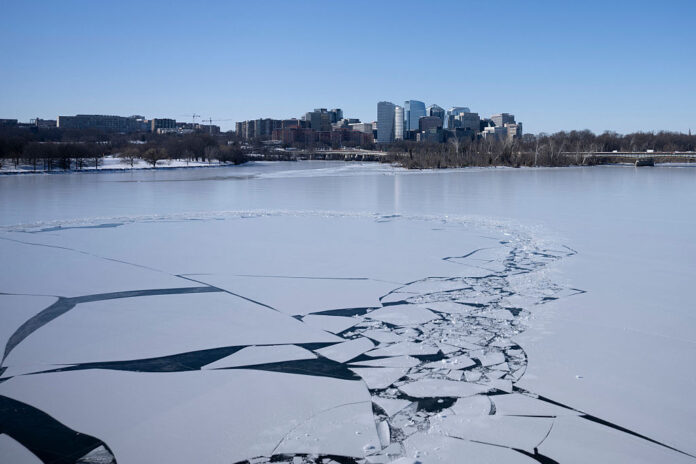
Ice and cold weather can create dangerous conditions for drivers, pedestrians, and property owners — not just during big storms, but anytime temperatures drop near freezing. Whether you’re heading out on foot, driving to work, or clearing your sidewalk, taking the right precautions helps you stay safe through winter’s icy hazards.
Why Ice Is a Hidden Hazard
Icy surfaces — including roads, driveways, and sidewalks — can be extremely slippery and hard to see, especially when temperatures hover around freezing. Freezing rain or wet pavement can quickly turn to black ice, increasing the risk of slips, falls, and vehicle crashes even when conditions look normal.
Safe Walking Practices
Watch Your Step
Walk slowly and deliberately on sidewalks and paths, especially after cold rain or snow melts and refreezes. Loose shoes, polished soles, and rushed steps increase fall risk.
Clear and Treat Pathways
Homeowners in Montgomery County are responsible for clearing ice and snow from sidewalks adjacent to their property. Keeping these walkways shoveled and treated with sand or rock salt improves traction for everyone — children, neighbors, and people who depend on transit.
Stay Visible
Shorter winter days often mean poor light. Wear bright or reflective clothing on walks, and choose well‑lit routes where possible.
Driving on Icy Roads: What You Can Do
Slow Down
Icy roads reduce tire traction dramatically. Drive at safe speeds, allow extra space between vehicles, and avoid sudden turns or hard braking to reduce the chance of skids and collisions.
Prepare Your Vehicle
Keep your vehicle winter‑ready with proper tire tread, windshield washer fluid that resists freezing, and an emergency kit that includes blankets, a flashlight, jumper cables, sand or kitty litter for traction, and non‑perishable snacks.
Plan Ahead
Check weather forecasts and local road conditions before you go. In many cases, delaying non‑essential travel until streets are treated can dramatically reduce risk.
Home and Community Safety Tips
Clear Snow Promptly
Keeping driveways and sidewalks free of ice and snow helps prevent falls and improves access for emergency responders, pedestrians, school buses, and neighbors.
Use Traction Aids
Sand, rock salt, or kitty litter can improve footing on paths and driveways. Avoid using water to melt ice — it may refreeze into hazardous black ice.
Check on Vulnerable Neighbors
Older adults and people with mobility challenges are especially at risk from icy conditions. A quick check‑in during cold weather can make a big difference in safety and comfort.
Cold Weather Preparedness
Winter weather can affect more than just walking and driving — it can also impact home safety and health:
-
Minimize outdoor exposure, especially during extreme cold.
-
Prepare for power outages by keeping blankets, flashlights, and extra batteries on hand.
-
Avoid overexertion while shoveling snow or ice to reduce the risk of injury or heart strain. (General safety guidance)
Why This Matters Year After Year
Cold, ice, and winter weather hazards occur each season — and with climate variability, dangerous ice can form with little notice. By following these evergreen safety practices, Montgomery County residents can protect themselves, their families, and their neighbors every winter.