
BY: RYAN ROSS, QUINN MULLER AND ZAKA HOSSAIN
Capital News Service
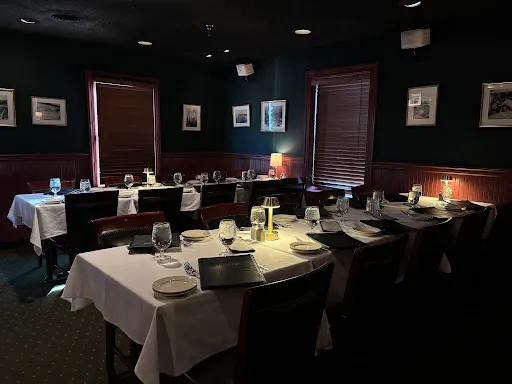
ANNAPOLIS – Recently, at Lewnes’ Steakhouse, the ambiance was set for an exclusive dinner as magnums of premium wines stood ready to be poured in a private dining area marked by drawn blinds.
While two reporters from Capital News Service watched from a distance, over a dozen Maryland lawmakers ascended the stairs to enjoy a complimentary and lavish meal, graciously provided by a prominent lobbying firm with business interests before the legislature.
The lobbying firm in question, Cornerstone Government Affairs, covered a substantial dinner bill of $9,275.11 for the gathering held on April 8, which included members of the House Appropriations Committee and the Senate Budget and Taxation Committee, as recorded by the Maryland State Ethics Commission. Cornerstone has refrained from issuing any comments regarding the event.
However, this lobbyist-sponsored dinner is far from a singular occurrence in Annapolis. An in-depth analysis by Capital News Service reveals that throughout the 2026 legislative session, lobbyists hosted more than 200 private dinners and closed receptions for state lawmakers. Such gatherings are permissible provided they invite entire committees or the General Assembly as a whole.
This analysis, which spans the full duration of the 90-day legislative sessions for 2025 and 2026, also included the opening and closing weeks to account for related events.
During this year’s legislative session, which ran from January 14 to April 13, campaign contributions and gifts were banned. Lawmakers and their supporters were not allowed to conduct fundraisers or sell tickets for upcoming events while in session.
Nevertheless, the tradition of hosting meals and receptions for lawmakers has been well-established for 30 years. While many legislators perceive it as a benign perk, others argue that it represents a loophole that grants affluent interests an advantageous position in the legislative process.
Freshman Delegate H. Kevin Anderson, a Republican and farmer representing Somerset, Worcester, and Wicomico counties, has voiced concerns about the imbalance created by these complimentary dinners. He refuses to attend them, feeling they offer unfair access that his constituents cannot match.
“That’s not my cup of tea. That’s not who I’m here to represent,” Anderson stated. “I find more value in spending time at home than joining a free dinner with those who are attempting to sway my vote.”
A Practice With Deep Roots
In 1999, special interests invested $684,958 into private receptions and committee dinners, as noted in the Maryland Ethics Commission’s annual report for that year. The latest figures indicate an increase to $2.3 million in spending for gatherings in the reporting year that concluded in October 2025, following an analysis by Capital News Service.
The loophole permitting these dinners originated from ethics reform legislation passed in 1997, aimed at addressing various scandals in Maryland. The reforms prohibited one-on-one meals between donors and legislators but allowed meals for entire committees or the General Assembly, leading to a significant escalation in the costs of such events.
Importantly, legislators who partake in these meals are not obligated to disclose them in their annual financial disclosure statements.
Corporate Gatherings and Campaign Contributions
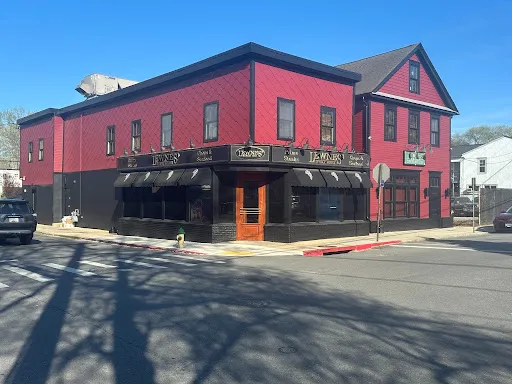
As Delegate Malcolm P. Ruff from Baltimore City left the committee dinner at Lewnes’, he remarked on enjoying a ribeye steak. He suggested that these dinners are more about informal socializing rather than conducting legislative business.
Nonetheless, Ruff acknowledged that constituents may have valid concerns regarding such private gatherings financed by lobbying interests.
“They want to have confidence in how their legislators are engaging… but I haven’t found lobbyists hosting committee dinners to be imposing or coercive,” Ruff explained.
These dinners are typically held at upscale Annapolis eateries such as Ruth’s Chris Steak House and Acqua al 2. For instance, a 26-ounce “Cowboy Ribeye” at Ruth’s Chris is priced at $87.
Through these meals and receptions, legislators often engage with special interests to discuss proposed legislation, raise questions, share ideas, and build rapport.
Delegate Marc Korman from Montgomery, who chairs the House Environment and Transportation Committee, claimed that substantive discussions about policy do not generally take place at these private dinners. Instead, he believes conversations often revolve around personal lives, including family matters.
“People are just having dinner,” he added. “That’s the essence of the event.”
On the other hand, Delegate Joseph Vogel from Montgomery, who introduced a bill aimed at opening committee dinners to the public, argued that corporations would not allocate such substantial funds merely for discussions about family life.
“I’ve yet to meet a business leader who enjoys squandering money,” Vogel stated. “If they are investing millions annually in lobbying, dinners, and political contributions, they must perceive a favorable return on that investment.”
In the wake of the 2025 and 2026 sessions, close to half of the General Assembly members accepted campaign donations from significant utility companies. Notably, many members on the two committees responsible for overseeing utilities received contributions from these corporations — seven out of 11 members on the Senate Education, Energy, and the Environment Committee and 10 out of 20 members on the House Environment and Transportation Committee, according to election board records.
Addressing Utility Spending
During the 2026 legislative session, utility companies conducting business in Maryland reported expenditures totaling $60,638 for committee and General Assembly dinners and receptions, coinciding with deliberations regarding policies directly impacting their profitability and consumer billing, as highlighted by the Capital News Service analysis.
The session largely revolved around rising consumer energy costs, which have surged due to several factors including heightened delivery costs, extreme weather conditions, rising demand from data centers, and the need to update aging infrastructure, according to the Office of People’s Counsel.
In response to these issues, the General Assembly passed the Utility RELIEF Act, with backing from Governor Wes Moore and leaders from both legislative chambers. This legislation is projected to provide an average annual savings of $150 per household, according to the administration.
Anderson voiced his opposition to the bill, criticizing it for providing insufficient support to ratepayers. He described the $150 annual savings, or $12.50 monthly, as “a slap in the face.”
Efforts to Reform Legislative Practices
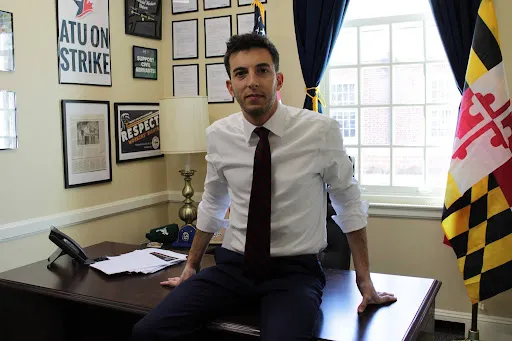
Delegate Vogel, at 29, an advocate for social improvement working with nonprofits that create play spaces in underserved communities, has become a leading voice for reforming the longstanding custom of committee dinners.
In addition to his proposal for a bill that would eliminate private meals or receptions, he introduced another measure to bar gas and electric utilities from contributing to state and local campaigns. Both initiatives have currently stalled in committee.
Bruce Bereano, a lobbyist with extensive experience in Annapolis who reported earning $1.9 million during the 2025 session representing clients like Washington Gas, criticized Vogel’s anti-dinner bill, expressing that it is “misguided” and “a waste of resources.”
According to Bereano, these dinners provide a valuable opportunity for members of organizations or businesses to connect with legislators in a more relaxed setting.
He remarked, “Legislators are adults. They can choose which contributions to accept or decline. They do not need oversight.”
In response, Vogel asserted, “He makes a million dollars a year. My constituents are merely trying to manage their household expenses.”
Vogel’s attempts to reform the committee dinner culture and prohibit utility contributions have drawn playful jabs from his fellow legislators. He believes that these jokes reflect an underlying discomfort with the existing practices among some lawmakers.
Others resonate with Vogel’s concerns, including Delegate Anderson, who underscored the unfairness faced by smaller businesses that cannot afford the expense of such extravagant dinners.
“Is it just for the small business owner who can’t afford a $5,000 dinner to compete in the same arena?” Anderson questioned. “Lobbyists are frequently present in this building, ensuring that larger interests are consistently represented, while the smaller entities are left behind.”
Bereano countered the fairness argument by stating, “Life is inherently unequal in many respects.”
METHODOLOGY:
Capital News Service utilized data from the Maryland State Board of Elections’ Campaign Reporting Information System. The analysis covered campaign contributions made between April 8, 2025, and April 13, 2026. This was cross-referenced with information from the Maryland General Assembly website to ascertain which legislators received such contributions and from which committees. The event reports were sourced from the Maryland State Ethics Commission’s Lobbying Registrations database. Under state law, lobbyists hosting receptions for legislative groups must file expenditure reports within 14 days of the event. Reports were aggregated for sessions at the start and end periods to encompass events occurring around each session.