
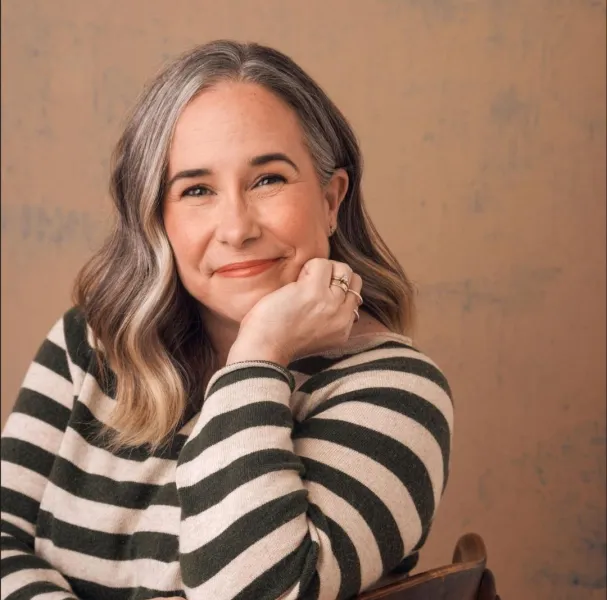
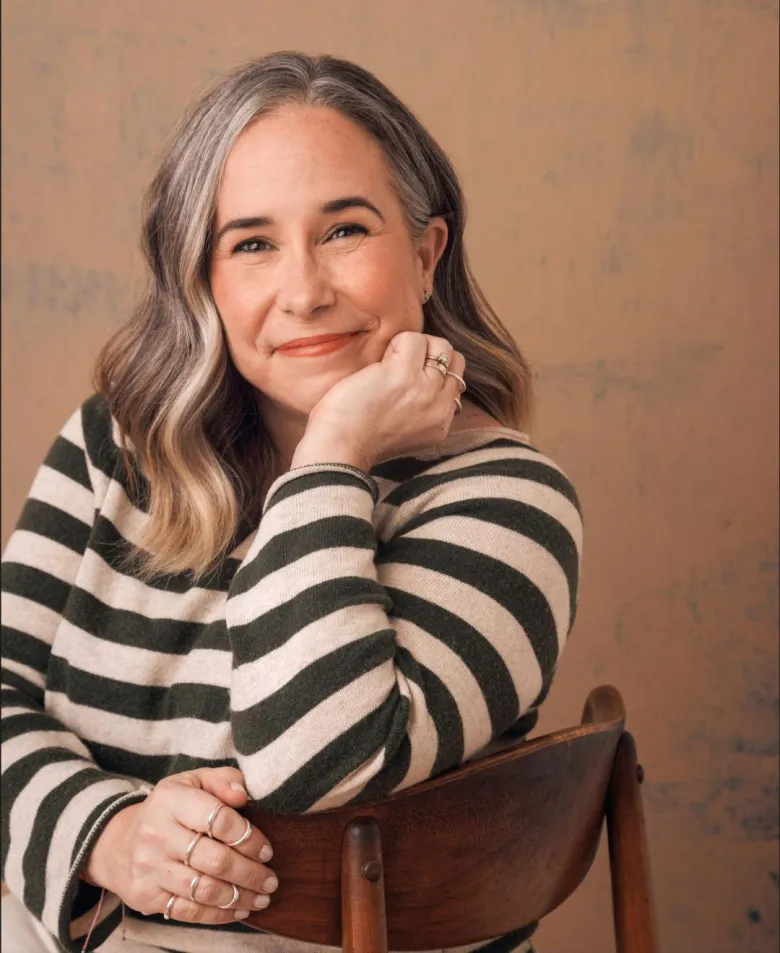
Renowned author Fran Wilde is set to lead a generative workshop designed for writers across all genres, providing valuable insights into blending different styles. Participants can look forward to developing the foundations for multiple new stories. The workshop, titled “How to Put Speculative Fiction to Work For You—Even if You Don’t Write Speculative Fiction,” is scheduled for June 13 at the Good Contrivance Farm in Montgomery County, Maryland, and invites writers of all backgrounds. Due to limited seating, those interested are urged to register promptly.
Fran Wilde, a celebrated two-time Nebula Award winner, boasts an impressive portfolio that includes nine novels, a collection of poetry, a short story compilation, and over 70 short stories catering to adults, teens, and children. Her work has received accolades as a finalist for an array of prestigious awards, including multiple Nebula, World Fantasy, Hugo, Locus, and Lodestar honors. Notably, her debut novel, Updraft, garnered both the Nebula and Compton Crook awards, while her Middle Grade title Riverland received the Nebula Award and a spot on NPR’s Best of 2019 list. Fran has shared her expertise as a teacher at institutions such as Wilkes University, St. Mary’s College of Maryland, and Vermont College of Fine Arts, and she contributes nonfiction articles to respected outlets like The Washington Post, The New York Times, NPR, and Tor.com.
In a recent conversation, Fran addressed several intriguing questions…
Q. Many authors choose to concentrate on a single genre for a specific audience. You have written across genres like fantasy, science fiction, essays, and poetry for readers of all ages. What explains this breadth in your writing?
For me, the direction of the project often dictates the genre and target audience. I enjoy experimenting and playing with ideas, and if I discover that the essence of the work gravitating toward one genre, I don’t constrain it to fit a particular mold. It’s important to note that although this freedom might not be feasible with every book or a series under contract, I find it incredibly fulfilling and enjoyable to explore different universes through multiple stories once I’ve established the core of my work.
Q. How can writers who typically focus outside speculative fiction—such as in essays or literary pieces—benefit from your upcoming workshop on June 13?
Sticking to one lane can be beneficial for honing specific skills, but those lanes can sometimes become restrictive. My workshop offers these writers a chance to experiment with various tools and techniques that can invigorate their creative process—much like how many essayists and literary fiction writers do (with a nod to authors like Calvino, Eagan, and others). Learning new approaches can only enhance their craft!
Q. As a prolific writer, producing nine novels, over 70 short stories, a poetry collection, and a recently published short fiction compilation titled A Catalog of Storms, what’s your secret to maintaining such a high level of creativity?
There aren’t really any secrets—just a commitment to consistently doing the work. I engage in diverse types of projects and make it a point to finish whatever I start. Even if I produce something I consider terrible, completing it allows me to revise and improve later on. Additionally, I find it helpful to set yearly aspirations, reflecting on my accomplishments while also looking ahead to what I want to achieve.
Q. Your latest novel, A Philosophy of Thieves, blends elements of fantasy and science fiction. What inspired you to merge these two genres?
This novel could be described as a genre turducken—featuring science fiction on the exterior and fantasy within where the magic manifests in the form of money, revolving around a series of heists intertwined with family drama. It’s a joy to combine genres, especially when they create tension, help elucidate character development, or offer whimsical moments that deepen reader immersion. These are themes we will explore during the workshop at Good Contrivance Farm!
Q. Could you share insights about The Sunday Morning Transport, where you serve as Co-Editor in Chief?
I’d be happy to elaborate! The Sunday Morning Transport is a curated platform for short speculative fiction, including science fiction, slipstream, horror, and fantasy genres. We publish a new story each Sunday. Now in its fourth year, we have featured over 200 stories online, including contributions from notable authors such as Ken Liu, Baltimore’s own Sarah Pinsker, and many others. You can find a trial link to explore these delightful tales.

Good Contrivance Farm
2015 Emory Road
Reisterstown, MD 21136