
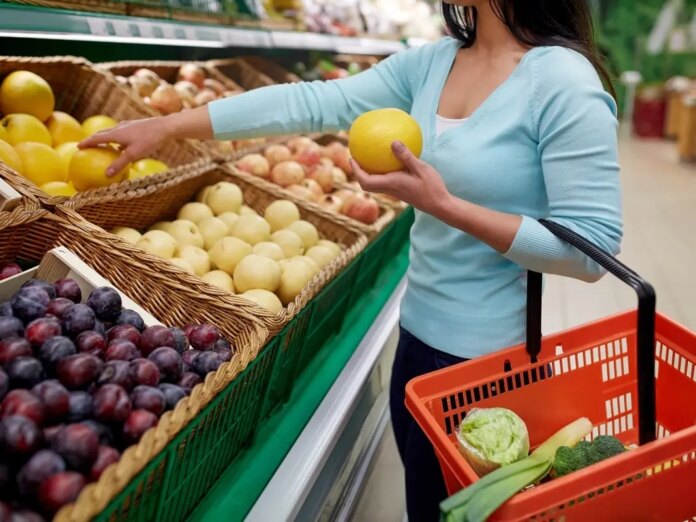
According to a recent analysis by finance website WalletHub, Maryland ranks as one of the three U.S. states where residents spend the least on groceries.
Grocery prices have seen a significant rise in recent years, with an increase of nearly 30% since 2019, as reported by the U.S. Department of Agriculture.
At the same time, income growth has not kept up with these escalating costs, as highlighted in WalletHub’s study. This disparity has made groceries less affordable, compelling households to allocate a larger portion of their income towards food.
To assess which states have the highest and lowest grocery expenditures, WalletHub examined the prices of 26 commonly purchased grocery items across all 50 states. The researchers then calculated these total costs and compared them to each state’s median household income, revealing where residents spend the largest percentage of their earnings on groceries.
In WalletHub’s findings, Maryland secured the third spot among states where residents spend the least on groceries, following Massachusetts and New Jersey, which ranked first and second, respectively. On average, Maryland residents allocate 1.55% of their monthly income to grocery expenses.
Here’s a list of the top 10 states where residents spend the least on groceries:
- Massachusetts
- New Jersey
- Maryland
- New Hampshire
- Utah
- Connecticut
- Colorado
- Virginia
- Washington
- California
Conversely, the following states have residents who spend the most on groceries, according to WalletHub’s research:
- Mississippi
- West Virginia
- Arkansas
- Louisiana
- Kentucky
- Alabama
- New Mexico
- Oklahoma
- South Carolina
- Tennessee
“Although grocery prices have surged in recent years, the states where people spend the highest percentage of their income on groceries are not necessarily those with the highest prices,” stated WalletHub analyst Chip Lupo. “In fact, these states often have lower median incomes, which means that even with reasonable grocery prices, residents end up spending a larger share of their earnings compared to those in states with higher-priced groceries.”
To ensure you can afford your grocery needs, WalletHub suggests learning how to budget. When creating a budget, groceries should be one of the first expenses to account for. Additionally, shoppers might consider reducing luxury food purchases if their budgets are tight, focusing instead on more affordable staple items.