
A Centenary Home Honors the Lasting Impact of Montgomery County’s Founding Black Families on Education, Community Building, and Cultural Heritage
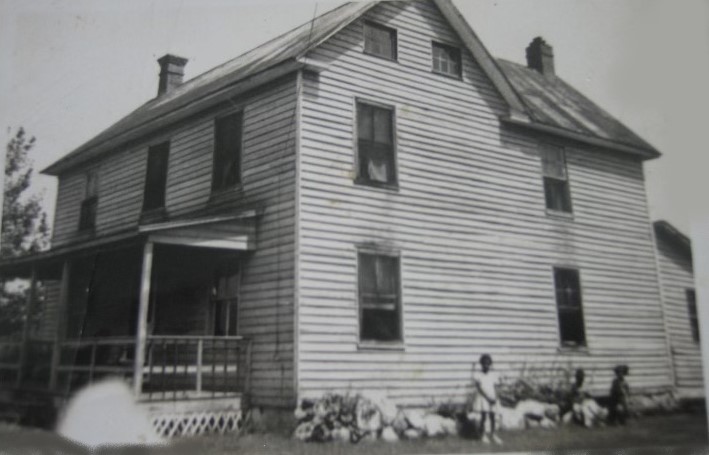
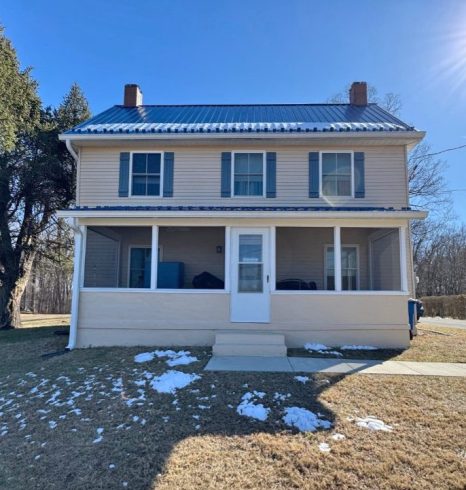
Wheaton, Md. – The Montgomery County Planning Board, part of the Maryland-National Capital Park and Planning Commission (M-NCPPC), has put forth a recommendation to include the Rose-Budd House in the county’s Master Plan for Historic Preservation. This remarkable 113-year-old structure is one of the last remaining buildings from the early twentieth century, symbolizing the immense contributions made by the Budd family across generations to the development of Sandy Spring’s Black community.
“The Rose-Budd House stands as a profound emblem of community strength, education, and civic engagement,” stated Artie Harris, Chair of the Montgomery County Planning Board. “Its connection to Perry Budd and his family highlights the deep roots and invaluable contributions of Sandy Spring’s Black population to the overall development of our county. We take pride in proposing this site for historic designation.”
Unveiling the Budd Family Legacy
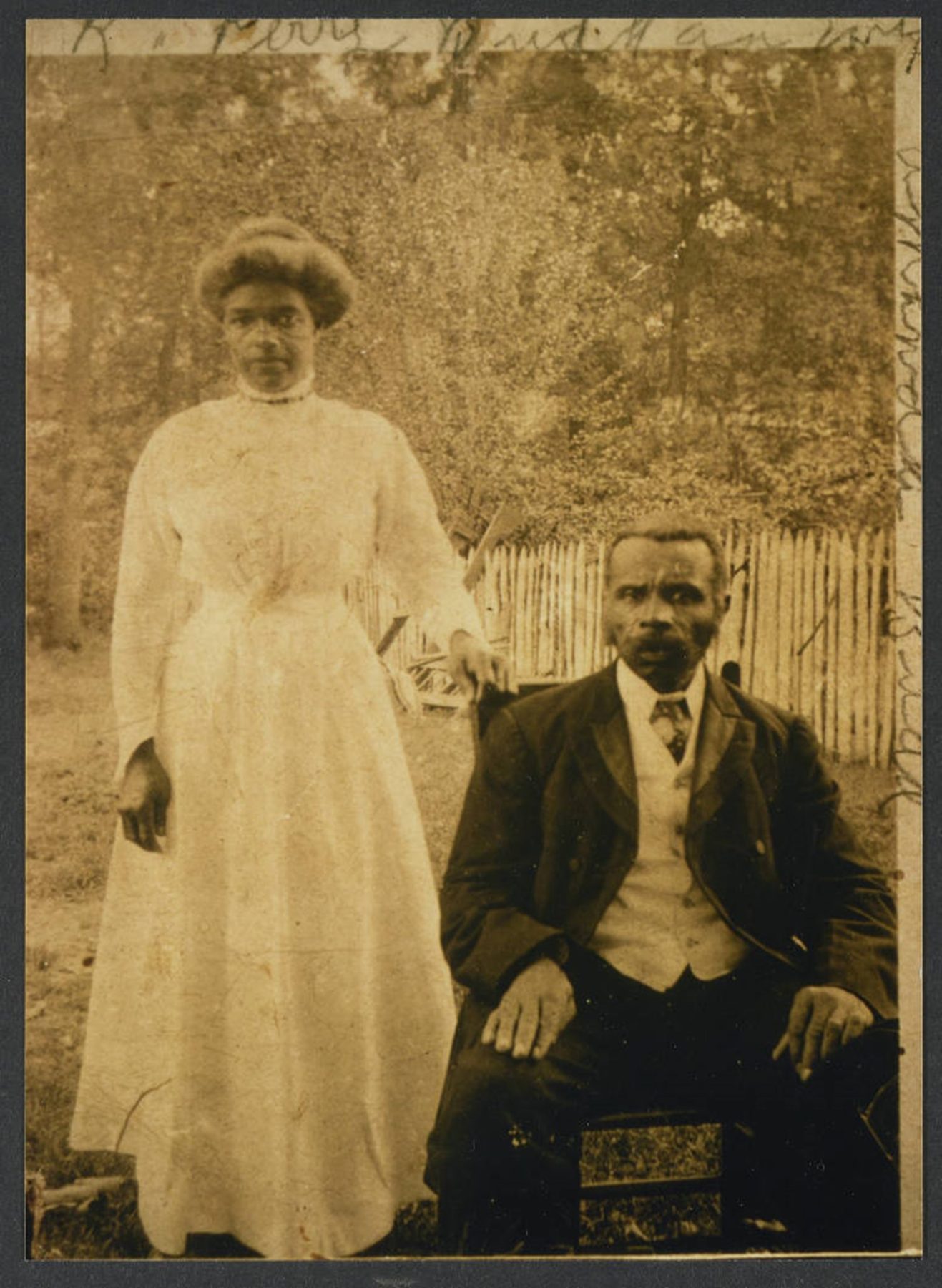
The Rose-Budd House, constructed around 1912 by Perry Budd, is situated at 18583 Brooke Road in Sandy Spring and has been passed down through his descendants in the Budd, Riggs, and Rose families. The current owners requested its nomination for historic designation. With roots in Sandy Spring dating back to the early 1800s, the Budd family were vital founders of several free Black communities in the mid-nineteenth century. Each generation has played an integral role in advancing causes that uplifted the Black community, and they have actively participated in the social and physical development of the Quaker lifestyle in Sandy Spring.
Perry Budd, an alumnus of the Centenary Biblical Institute (now known as Morgan State University), emerged as a pioneering educator in Montgomery County and served as a trustee for the Sharp Street School, which was the first institution for Black children in the area. The Budd family also made significant contributions to the establishment of local churches and educational facilities.
“The Rose-Budd House is not only architecturally important, but it also represents a vibrant narrative of Black middle-class life in Montgomery County,” stated Rebeccah Ballo, Chief of the Montgomery Planning Historic Preservation Division. “Preserving this house guarantees that future generations can always acknowledge and respect the legacy left by families such as the Budds, who significantly influenced the social and physical landscape of Sandy Spring.”
Explore the Rose-Budd House’s historic designation report and the Rose-Budd House Public Hearing Draft, both produced by the Historic Preservation Division of the Montgomery County Planning Department, which is a part of The M-NCPPC.
Understanding Montgomery County’s Historic Designation Process
The Planning Board’s recommendation for the historic designation of the Rose-Budd House has come after a unanimous vote from the Historic Preservation Commission in July 2025. The Montgomery County Council will make the final decision regarding the designation after a public hearing, the details of which will be announced at a future date. Community members are encouraged to engage in the process and share their views.
Once a property is officially designated as historic in Montgomery County, any modifications to its exterior must receive approval from the Historic Preservation Commission before any permits are issued. Being listed in the Master Plan for Historic Preservation:
- Recognizes and highlights significant architectural and cultural landmarks.
- Safeguards buildings and neighborhoods from potential demolition.
- Regulates exterior alterations to historical resources.
- Offers property owners valuable information on maintenance, restoration, and preservation techniques.
- Allows property owners access to special tax benefit programs.