Montgomery County Council has voted to grant historic designation to a century-old residence in Sandy Spring, recognizing its significance in the narratives of early Black families in the county
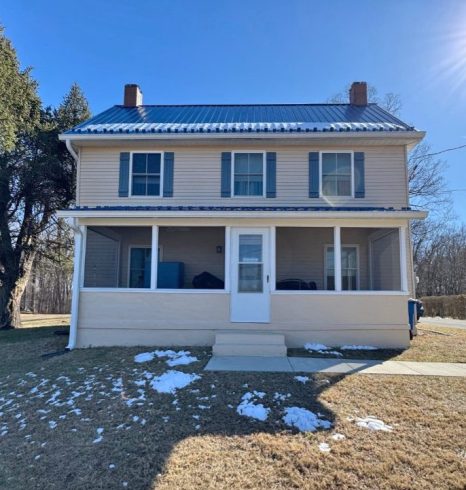
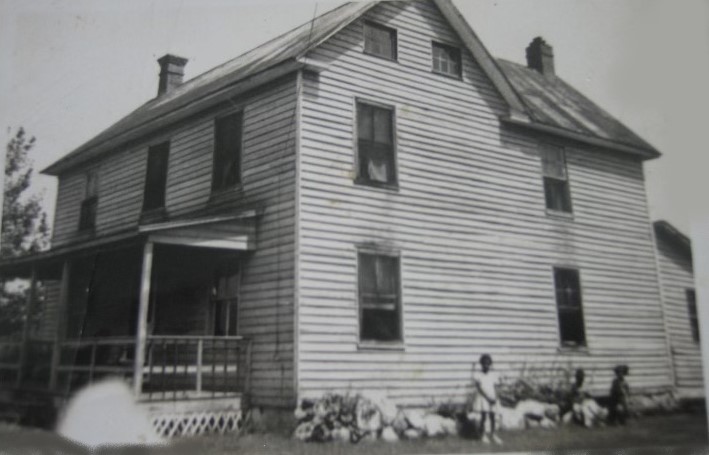
Rockville, Md. – The Montgomery County Council has officially voted to include the Rose-Budd House in the county’s Master Plan for Historic Preservation. Constructed around 1912, this home stands as one of the few remaining historical structures that highlight the important contributions made by the Budd family toward the development of the Black community in Sandy Spring.
This designation comes on the heels of unanimous endorsements from both the county’s Historic Preservation Commission and the Montgomery County Planning Board, which are part of the larger organization known as the Maryland-National Capital Park and Planning Commission (M-NCPPC).
The Legacy of the Budd Family
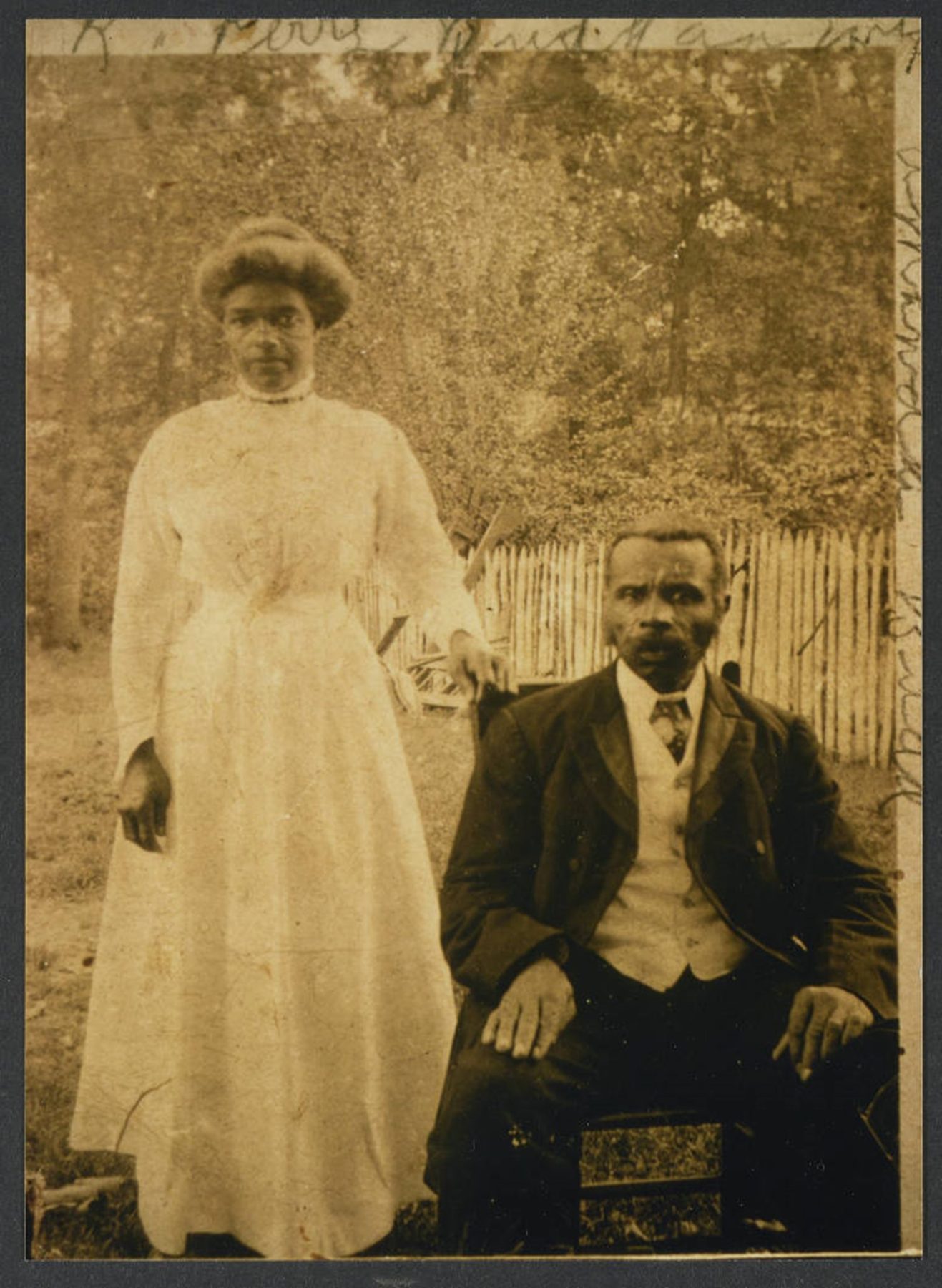
Constructed around 1912 by Perry Budd, the Rose-Budd House is situated at 18583 Brooke Road in Sandy Spring. This cherished residence has remained in the hands of Perry Budd’s descendants, linking the Budd, Riggs, and Rose families. The request for the historic designation came from the current owners, and the report supporting this nomination was meticulously researched and compiled by the Historic Preservation Division within the Montgomery County Planning Department, a part of M-NCPPC. The Budd family has been part of the Sandy Spring community since the early 1800s, playing foundational roles in establishing several free Black communities in the mid-nineteenth century. Each generation of the Budd family has significantly influenced key community efforts as well as the social and physical development reflective of the Sandy Spring Quaker lifestyle.
Perry Budd, who graduated from the Centenary Biblical Institute (now known as Morgan State University), was a trailblazer in education within Montgomery County and served as a trustee for the Sharp Street School, which holds the distinction of being the first educational institution for Black children in the county. The Budd family has also been instrumental in founding local churches and supporting educational initiatives.
Rebeccah Ballo, Chief of the Historic Preservation Division at Montgomery Planning, remarked, “The Rose-Budd House stands as a tangible testament to the endeavors undertaken by Black families in the Sandy Spring community. This 113-year-old home is an embodiment of the enduring middle-class Black community here and one of the few historical resources directly linked to the Budd family. Preserving this residence allows us to honor their legacy and retains the Budd family’s contributions within Montgomery County’s historical framework.”
For additional information about the home and the rich story of the Budd family, please refer to the Rose-Budd House historic designation report.
Understanding Montgomery County’s Historic Designation Process
Adding properties to the Master Plan for Historic Preservation involves a comprehensive and multi-step approach necessitating the evaluation by the Historic Preservation Commission, Planning Board, and the County Council. The public is encouraged to engage and provide input throughout this process. Once a property receives the historical designation in Montgomery County, any modifications to the exterior must be approved by the HPC before any permits are issued. The designation within the Master Plan for Historic Preservation:
- Recognizes important architectural and cultural sites.
- Provides protection against demolition for buildings and neighborhoods.
- Regulates changes to the exterior of designated properties.
- Offers property owners guidance on maintenance, restoration, and preservation efforts.
- Enables property owners to qualify for special tax benefit programs.