BALTIMORE, Md. — The Baltimore City Council is taking steps to establish a new Department of Neighborhood Safety. Prior to making any decisions, council members held a public hearing to collect feedback from both residents and specialists in the field.
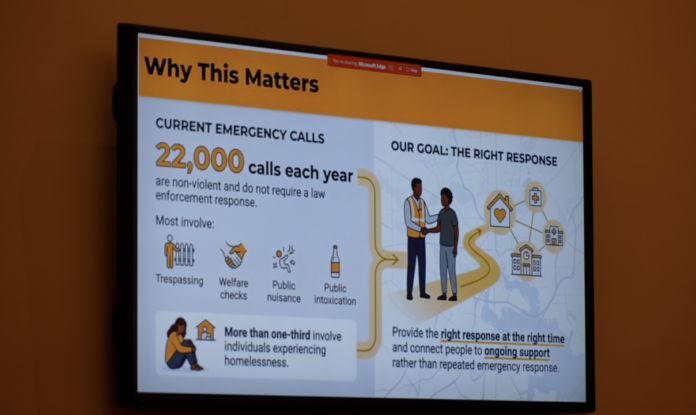
This proposed department would function as the third component of public safety in Baltimore, joining the police and fire departments in addressing non-violent 911 calls.
Dr. Letitia Dzirasa, Deputy Mayor of Health and Human Services, remarked, “It will codify the important work of MONSE and establish alternative response methods.”
City officials revealed that over 20,000 calls made each year are non-violent and do not necessitate a law enforcement presence.
Taylor Epps
Council President Zeke Cohen highlighted concerns about the lengthy wait times for mental health call responses, stating that individuals sometimes wait over an hour for assistance, with outcomes not always being favorable.
“We can’t have people getting into interactions with untrained individuals that result in tragic outcomes,” Cohen emphasized. “This initiative will empower the city of Baltimore to deploy clinicians and peers adequately, ensuring that the right crisis receives the appropriate response.”
On Wednesday evening, experts provided their perspectives on the proposed plan during a City Council panel discussion.
“I am strongly convinced that developing these diversion pathways by establishing this department is essential; we have witnessed its success in cities such as Durham,” stated Dr. Redonda Miller, the President of Johns Hopkins Hospital.
The public was also encouraged to voice their questions and concerns about the proposal.

Taylor Epps
“We must ensure that the implementation is purposeful, with clear standards and sustainable funding,” noted one of the panel speakers.
The topic of funding generated numerous inquiries throughout the hearing. In response, Cohen indicated that $15 million from the city’s opioid restitution fund will serve as initial funding for the initiative.
“Ultimately, we believe we will see cost savings in the long term,” Cohen added. “There is no monetary value that can be placed on public safety.”
Despite concerns surrounding the implementation and funding, many attendees voiced their approval of the bill, including a student from Morgan State University.
“This bill is pivotal for the city of Baltimore because it promotes a calmer approach to public safety. Sometimes, the best response to an emergency situation does not involve police,” the student expressed.
Cohen noted his desire for the public to thoroughly review the plan before it becomes finalized. He aims to schedule another hearing and a vote soon, before forwarding the legislation to Mayor Brandon Scott for approval.
This news story was reported on air by a journalist and has been adapted to this format with the help of AI. Our editorial team ensures accuracy and fairness in all reporting across all platforms.