
Few topics have sparked as much debate across Maryland recently as data centers. Supporters point to jobs, tax revenue, and the technology that powers everything from online banking to streaming movies. Critics worry about water use, electricity demand, traffic, noise, and the impact on surrounding communities.
With so much attention focused on the issue, it’s worth taking a closer look at what we actually know—and where important context is sometimes missing.
Why Data Centers Use Water
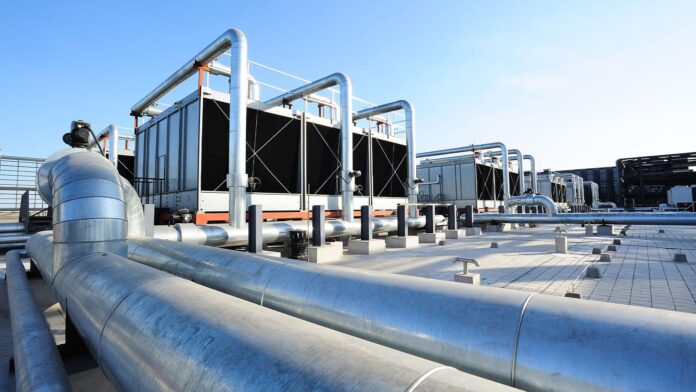
Modern data centers generate an enormous amount of heat. Thousands of computer processors work around the clock, and cooling systems keep that equipment operating safely.
Many facilities use water as part of their cooling process because water is one of the most efficient ways to remove heat. However, not every data center uses the same technology. Newer facilities are increasingly incorporating recycled wastewater, closed-loop cooling systems, air cooling, and other methods designed to reduce or even eliminate the need for drinking water.
As technology evolves, many companies are investing in cooling systems that require significantly less fresh water than earlier designs.
The Numbers Matter
Headlines often describe individual data centers using hundreds of millions—or even billions—of gallons of water annually. Those figures are accurate for some large facilities, but they rarely include broader context.
The United States uses hundreds of trillions of liters of water each year across agriculture, power generation, manufacturing, businesses, and households. Even with rapid growth, researchers estimate all U.S. data centers combined account for only a small fraction of total national water consumption.
That doesn’t mean local concerns aren’t real. Water availability varies dramatically from one community to another. A facility built in an area experiencing drought or limited water resources can have a much different impact than one located where water supplies are more abundant.
Local Impacts Go Beyond Water
While water often dominates headlines, many experts say some of the biggest challenges are actually closer to home.
Residents living near proposed data centers frequently raise concerns about:
- Increased truck traffic during construction
- Continuous cooling equipment noise
- Additional demand on the electrical grid
- Heat generated by large facilities
- Land use and the amount of space occupied compared to long-term employment
These are issues that communities across the country—including parts of Maryland—continue to debate as new projects are proposed.
A Growing Demand for Electricity
Perhaps the largest challenge isn’t water at all.
As artificial intelligence, cloud computing, and streaming services continue to grow, electricity demand from data centers is expected to increase significantly over the coming years.
That has sparked conversations about expanding renewable energy, modernizing the electrical grid, and even building additional nuclear power generation to meet future demand.
Why Transparency Matters
One concern shared by both supporters and critics is the need for better information.
Communities often want clearer answers about expected water use, electricity consumption, environmental impacts, traffic, and long-term community benefits before projects move forward.
Providing transparent, easily understood information helps residents make informed decisions instead of relying solely on attention-grabbing headlines or social media posts.
The Bottom Line
Data centers are becoming an increasingly important part of everyday life, powering everything from online shopping and video calls to medical records and artificial intelligence.
At the same time, they bring legitimate questions about infrastructure, environmental impacts, and community planning.
Like many complex issues, the reality isn’t as simple as “good” or “bad.” Water use deserves scrutiny, particularly in areas where resources are limited. But understanding the full picture—including electricity demand, land use, technological improvements, and local conditions—can lead to a more informed conversation.
What questions do you still have about data centers, let us know.