
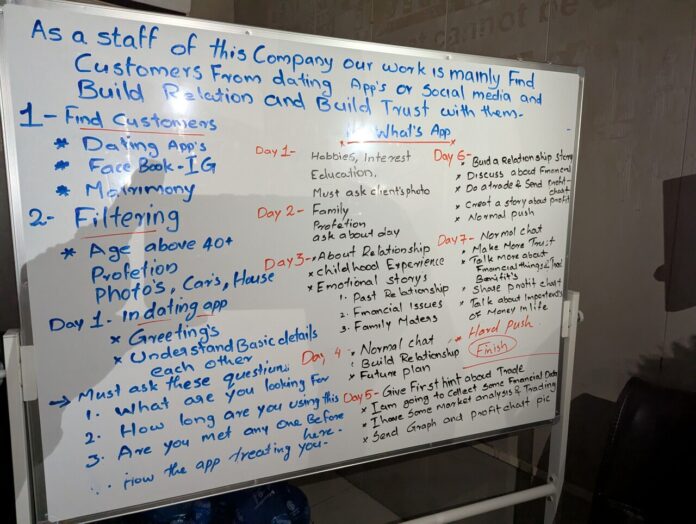
Romance scams are a growing form of fraud where criminals use fake online identities to build trust and emotional connections with victims. Often occurring on social media, dating apps, or messaging platforms, these scams can lead to significant financial and emotional harm. While anyone can be targeted, scammers often exploit times when people are more open to connection, such as holidays or special occasions.
How Romance Scammers Operate
Scammers typically:
-
Create convincing profiles using stolen photos and false personal details.
-
Quickly build emotional connections, sometimes professing love within days.
-
Avoid video calls or in-person meetings, citing distance or busy schedules.
-
Move communication to private apps like WhatsApp or Telegram.
-
Request money or gifts, often framed as emergencies, travel expenses, or investments with promised high returns.
The goal is always the same: gain trust and exploit it for money or personal information.
Common Red Flags to Watch For
-
Rapid expressions of affection or deep emotional attachment.
-
Hesitation or refusal to meet or video chat in real life.
-
Requests for money, gift cards, cryptocurrency, or personal financial information.
-
Pressure to move conversations off official platforms.
-
Personal stories of hardship, emergencies, or opportunities requiring upfront funds.
-
Profiles that seem overly polished or have inconsistent information.
How You Can Protect Yourself
-
Never send money or personal financial information to someone you haven’t met in person.
-
Verify photos and profiles using reverse image searches to detect stolen images.
-
Limit sharing personal details online, especially early in a relationship.
-
Trust your instincts: if a connection feels rushed or suspicious, pause and verify.
-
Report suspicious activity to the platform or local authorities immediately.
Resources for Reporting Romance Scams
National Resources:
-
FBI Internet Crime Complaint Center (IC3): www.ic3.gov – File complaints about internet-based scams.
-
Federal Trade Commission (FTC): www.ftc.gov/complaint – Report fraud and access recovery resources.
-
AARP Fraud Watch Network: www.aarp.org/money/scams-fraud – Alerts and tools for scams targeting older adults.
Maryland / Local Resources:
-
Maryland Attorney General Consumer Protection Division: www.marylandattorneygeneral.gov/Pages/CPD/ – File consumer complaints about fraud or scams.
-
Montgomery County Police – Non-Emergency Line: 301-279-8000 – Report suspected fraud and get local guidance.
-
Better Business Bureau (BBB) – Metro Maryland: www.bbb.org/local-bbb/bbb-serving-metro-maryland – Log complaints and check for scam alerts.
Why Awareness Matters
Romance scams don’t just cause financial loss — they target emotions and trust, often leaving victims embarrassed or hesitant to seek help. Recognizing the signs, staying cautious online, and reporting suspicious activity helps protect yourself and your community.
Even as holidays like Valentine’s Day or other special occasions prompt more people to seek connections online, staying vigilant year-round is the best protection.