
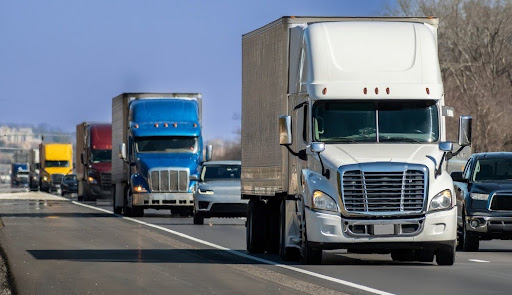
The operation of an 18-wheeler entails significant weight, authority, and accountability with every mile it covers. A single misstep while driving can have repercussions far beyond the truck itself, posing a serious risk to smaller nearby vehicles that lack the same level of protection in the event of a collision. Truck accidents can occur for a variety of reasons, and the underlying cause may not always be immediately clear from the extent of the damage.
Various factors such as driver behavior, the condition of the vehicle, cargo management, weather, and road conditions can all contribute to these incidents. Additionally, the causes of 18-wheeler crashes can raise pertinent legal questions regarding who bears responsibility. A closer examination of these causes provides valuable insights into what may occur following a serious accident.
-
Driver Fatigue from Extended Hours
Endless hours on the road can lead to exhaustion for truck drivers, even when they strive to maintain focus. Fatigue can significantly impair reaction times, diminish attention, and hinder the ability to respond to evolving traffic conditions. Given that an 18-wheeler requires more time and space to come to a halt, a drowsy driver may find themselves with even less capacity to react safely.
Regulations exist to restrict the driving and working hours of commercial drivers. In scenarios where fatigue is suspected after an accident, documentation of driving hours and rest periods becomes crucial.
-
Distractions from Mobile Devices
A momentary glance at a phone can lead to significant distractions while navigating busy roads. Truck drivers may also face distractions from navigation systems, eating, conversations, or various activities inside the cab. Diverting attention from the road—even briefly—can make it challenging to notice a nearby vehicle suddenly slowing down or changing lanes.
Distractions become even more perilous for larger trucks due to their bulk, which makes quick maneuvers considerably more complex. A driver failing to recognize a critical change in traffic may find themselves unable to adequately respond in time.
-
Excessive Speed Limits Reaction Times
Speeding is not solely about surpassing a posted speed limit. Driving at a pace too fast for traffic flow, road conditions, or the specific situation can lead to severe complications. A heavy truck necessitates a substantial distance to decelerate, while driving at greater speeds amplifies the impact force in the event of a collision.
Unsafe overtaking, tailgating, and abrupt lane changes increase the level of risk associated with truck driving. These behaviors are noteworthy when analyzing the details surrounding a truck accident.
-
Improperly Secured Cargo
Cargo within a truck must remain balanced and secured during transit. Inadequately loaded cargo can shift weight, which may disrupt steering, braking, or overall vehicle stability. If cargo becomes loose, it can pose dangers to other drivers on the road.
Accidents involving cargo may prompt questions about who loaded the truck, how the cargo was secured, and whether suitable safety protocols were adhered to. The answers to these questions depend on the specific details of each shipment.
-
Maintenance Failures Before Heading Out
An 18-wheeler relies on fully operational brakes, tires, lights, steering components, and other essential equipment. Any malfunction in these systems can pose a serious threat, particularly at high speeds on highways.
Neglecting maintenance can transform a minor mechanical issue into a hazardous situation. Documentation regarding maintenance schedules, inspection logs, and repair histories are vital when determining the causes of an incident.
-
Insufficient Training for Operating Large Vehicles
Operating a large commercial truck requires skills that go beyond those needed for driving a normal vehicle. Maneuvers such as turning, reversing, changing lanes, braking, and managing blind spots demand a high level of control. A driver lacking adequate training or experience may encounter difficulties handling these tasks effectively.
After an accident, issues related to hiring practices, driver qualifications, training, and experience may be scrutinized. The relevance of these aspects will hinge on the facts and behaviors surrounding the incident.
-
Difficult Road and Weather Conditions
Adverse weather conditions, such as heavy rain, fog, high winds, and limited visibility, can complicate truck driving significantly. Road issues can further exacerbate these challenges. Factors like potholes, inadequate lighting, construction zones, or poorly marked signage can impact a truck’s ability to navigate safely.
Drivers are still required to adjust their driving in accordance with road and weather conditions. Depending on the situation, the state of the road itself may become a focus of the investigation.
-
Drug or Alcohol Impairment
Substances like alcohol and drugs can compromise judgment, coordination, focus, and reaction times. An impaired truck driver may struggle with controlling their vehicle and responding appropriately to traffic situations.
In cases where impairment is suspected, police reports, testing records, and other relevant information concerning the driver’s condition play a vital role. Legal complexities can depend heavily on the specific details of the incident and available documentation.
Potential Legal Consequences Following a Truck Accident
A significant truck accident can result in a variety of legal matters. The specific repercussions are influenced by the circumstances, relevant laws, insurance policies, and the types of losses incurred. Claims may encompass medical bills, loss of income, damage to property, or any other losses linked to the incident.
Liability may not rest solely with the truck driver. Depending on the situation, other parties including the trucking company, vehicle owner, cargo handler, or maintenance contractor may also be involved. Insurance companies will evaluate the accident and associated coverage before determining how to process any claims.
Steps to Take After an 18-Wheeler Accident
Individuals involved in a truck accident should follow straightforward steps to ensure that critical information is preserved:
- Notify appropriate authorities and obtain any available incident reports.
- Seek medical care for any injuries sustained and maintain records of treatment.
- Exchange information regarding the driver, truck, company, and insurance, if available.
- Capture photographs of the vehicles, roadway, and nearby environment when safe to do so.
- Keep all documentation related to medical expenses, vehicle repairs, lost wages, and related costs.
- Retain all communications with insurance companies and other documentation associated with the accident.
- Avoid assumptions regarding fault or providing statements that are not based on confirmed facts.
Examining the Broader Context of the Accident
The factors contributing to 18-wheeler accidents are often multifaceted, not attributable to a single error. A collision may involve elements such as driver fatigue, distractions, speeding, cargo issues, vehicle maintenance, inadequate training, adverse weather, and road conditions. Each of these factors can lead to distinct inquiries regarding liability and insurance coverage. A thorough evaluation of the circumstances can aid in differentiating assumptions from factual evidence. Given that each truck accident presents unique challenges, the legal implications will depend on the specific facts, applicable laws, and losses associated with each incident.