
On Thursday, the Maryland Department of Health announced a concerning uptick in mumps cases across the state.
As of February 19, there have been 26 reported cases in 2026, including 19 confirmed and seven probable cases. Health officials noted that the majority of these cases are occurring among adults in the Baltimore metropolitan area, although mumps can affect individuals of any age throughout Maryland. The Department of Health is collaborating with local agencies to explore potential connections between these cases, but no links have been established so far.
Despite the rise in cases, officials maintain that the overall risk to the public remains low, thanks to Maryland’s high vaccination coverage against mumps.
“The best way to prevent mumps is by receiving the measles, mumps, and rubella (MMR) vaccine,” stated Dr. Meg Sullivan, Deputy Secretary for Public Health Services. “This two-dose vaccine is typically administered at 12–15 months for the first dose and again at 4 to 6 years of age. It’s important to check with your healthcare provider to ensure you and your family are current on the MMR vaccine, as it effectively protects against all three viruses.”
Mumps is a viral infection that spreads through direct contact with saliva or respiratory droplets. While it is not as contagious as measles, symptoms typically manifest 2 to 4 weeks after exposure.
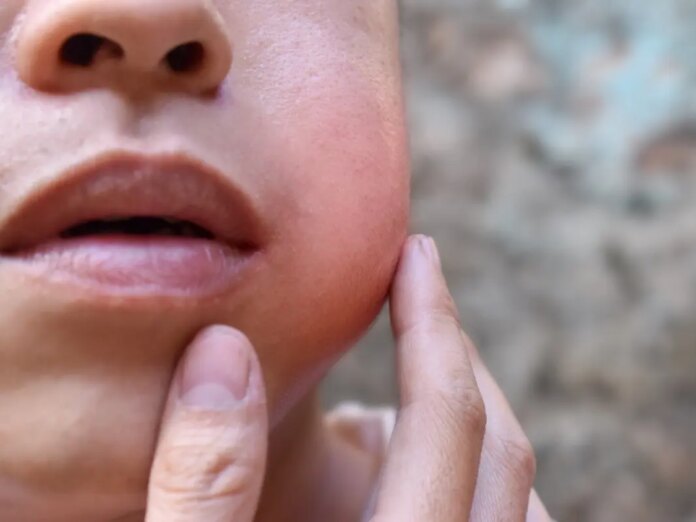
The hallmark symptom of mumps is parotitis, characterized by painful swelling of the glands on one or both sides of the face, often accompanied by fever. While this swelling is a key indicator of mumps, other respiratory viruses, such as influenza, can also lead to parotitis.
Parotitis due to mumps may be preceded by mild fever, loss of appetite, malaise, and respiratory symptoms, lasting generally between three to seven days.
There is no specific treatment for mumps aside from managing fever and pain. Most individuals recover fully, but serious complications can arise, necessitating immediate medical care. These complications may include inflammation of the testicles, ovaries, or breasts, pancreatitis, hearing loss, meningitis, and encephalitis, with some being more prevalent in adults.
If you experience symptoms of mumps, it’s crucial to reach out to your healthcare provider or local health department for evaluation and potential testing for mumps or other infections.
For further details, please refer to the MDH fact sheet on mumps.