
During National Invasive Species Awareness Week, held February 23–27, wildlife experts highlighted the growing impact invasive plants and animals are having across Maryland ecosystems.
University of Maryland Extension wildlife management specialist Luke Macaulay said invasive species continue to spread throughout the state, creating ripple effects that harm native wildlife, forests, and waterways.
“Invasive species can create cascading impacts across the ecosystem,” Macaulay explained. “When you think about the food web and how everything is connected, even one change can ripple throughout the system.”
More Than 300 Invasive Plants Found in Maryland
Maryland is home to more than 300 invasive plant species, according to organizations such as the Mid-Atlantic Invasive Plant Council.
Some of the most concerning invasive plants include:
-
Japanese knotweed
-
Water chestnut
Invasive animals are also affecting local ecosystems. Species such as:
-
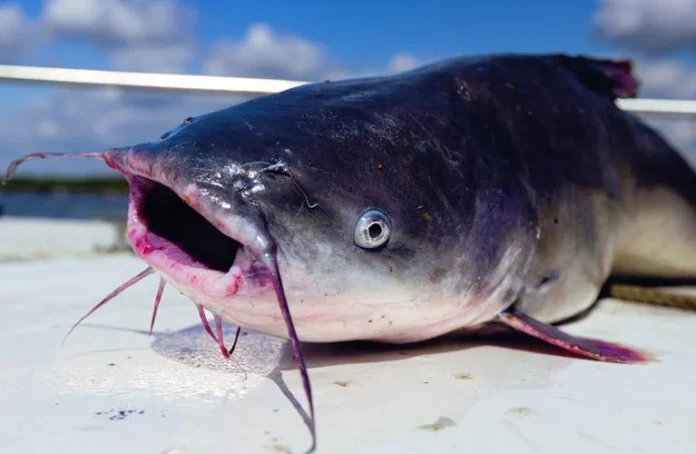
Blue catfish
-
Zebra mussels
-
Sika deer
have spread in parts of the region and can damage habitats or outcompete native wildlife.
Macaulay, whose work focuses on invasive plants, said vegetation plays a critical role in maintaining healthy ecosystems.
“Plants are really the foundation of the ecosystem,” he said. “When you look at an energy pyramid, everything starts at the vegetation level. Plants capture sunlight through photosynthesis, herbivores eat those plants, and predators feed on the herbivores.”
How Invasive Species Disrupt Maryland Ecosystems
When invasive species take over an area, they can disrupt this natural balance. Native plants may disappear, reducing food and habitat for insects, birds, and mammals.
These disruptions can affect Maryland’s forests, wetlands, farms, and waterways, including areas connected to the Chesapeake Bay watershed.
Across the state, the spread of invasive species has been linked to declining biodiversity and changes in local habitats.
Early Detection Is Key
Macaulay encourages residents to help monitor invasive species by using plant and wildlife identification apps and reporting unusual species they encounter.
Early detection is critical, experts say. Once invasive plants or animals become well established, they are often difficult and expensive to remove.
The Economic Cost of Invasive Species
In addition to environmental damage, invasive species also create significant economic costs.
According to the National Invasive Species Information Center, invasive species cause an estimated $26 billion in damages each year in the United States through impacts on agriculture, forestry, fisheries, and natural ecosystems.
Over time, researchers estimate the total economic impact could reach into the trillions of dollars.
Raising Awareness Across Maryland
National Invasive Species Awareness Week, held each February, aims to educate communities about the risks of invasive plants and animals and encourage actions such as:
-
Removing invasive plants
-
Reporting sightings
-
Choosing native landscaping plants
Experts say community involvement can make a major difference in slowing the spread of invasive species across Maryland.