
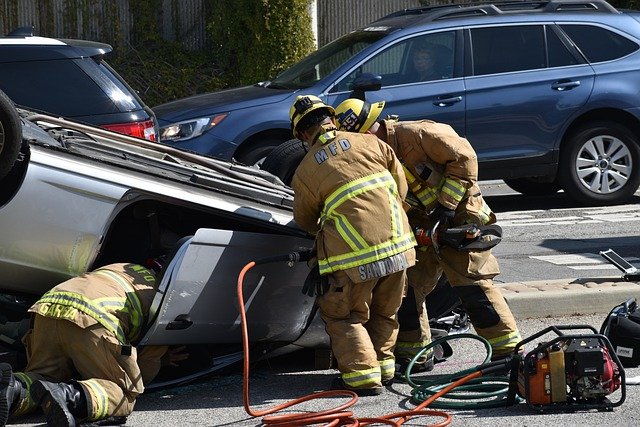
Serious injuries often extend their impact beyond just the individual who experiences them. In various towns across Maryland, a single accident can disrupt the rhythm of a community, highlighting the fragility of daily life. Initially, families bear the burden, but the repercussions frequently ripple out to coworkers, acquaintances, and even small businesses that depend on consistent routines. When someone is suddenly unable to work or manage their household, the ensuing pressure affects all those who come to lend a hand.
Tight-knit relationships, cultivated from years of shared experiences, are a foundation for many Maryland communities. When an injury interrupts these connections, it often prompts a response where residents unite in profound ways. Neighbors may step in to facilitate carpools, coworkers might take on extra responsibilities, and family members often adjust their schedules to assist with care until the injured person can regain their strength. These moments reveal the extent of community connectivity, even in large cities where anonymity sometimes seems prevalent. The collective response showcases the deep-rooted bonds that exist within these communities.
The Broader Impact of Personal Injuries
According to mgalaw.com, personal injuries carry consequences that go beyond just physical limitations. The process of medical recovery is often fraught with unpredictability, adding a layer of stress that can affect everyone involved. In Maryland, many families are already juggling long commutes, demanding work schedules, and tight finances. When an injury occurs, the very framework that holds their lives together can quickly start to crumble. Challenges such as loss of income, transportation issues, and ongoing medical appointments can exert significant pressure on those who step in to help. As these hurdles increase, the overall functionality of the community is inevitably impacted.
Even residents who were not directly present during the injury can feel its repercussions. For instance, a workplace accident might compel coworkers to assume additional tasks, disrupting schedules and leading to fatigue. Similarly, a traffic accident on a busy Maryland road could impede emergency services or reroute traffic through residential areas that may not be equipped to handle the influx. These indirect ramifications underscore the interconnected nature of personal injury incidents; they affect daily life and create shared challenges that communities work together to navigate.
Navigating Disruption in Maryland Neighborhoods
In numerous small towns and suburban enclaves throughout Maryland, reliability is pivotal to community structure. Residents expect that certain roads will remain clear, workplaces will operate smoothly, and vital services will be accessible. When an injury disrupts this stability, it prompts an immediate need for adjustment. This might entail coordinating childcare, altering work schedules, or stepping in for everyday tasks that the injured individual can no longer fulfill. Such adjustments typically reflect the profound sense of accountability that community members possess, as they strive to uphold stability during times of uncertainty.
During these challenging periods, local leaders, neighborhood organizations, and volunteers often step up to play crucial roles. They help organize support systems, gather needed resources, and communicate the requirements of the affected family. With a rich history of civic engagement, Maryland’s residents frequently tap into this spirit of collective responsibility when someone is injured. The readiness of community members to extend their support signifies the core values of resilience and cooperation that permeate the state. Such efforts ensure that the burden of recovery is not solely placed on the injured party.
The Power of Communication in Strengthening Community Support
Clear communication emerges as a vital element in assisting an injured person effectively. Families must articulate their capabilities and limitations, while friends and neighbors need regular updates to know when and how they can help. When communication falters, confusion can amplify the stress of an already challenging situation. Many residents in Maryland are well aware of this necessity and strive to maintain open dialogues, particularly when injuries introduce extended periods of uncertainty into their lives. These conversations facilitate smoother functioning of support networks and alleviate unnecessary pressures.
Effective communication also prevents misunderstandings that could place additional strain on relationships during tough times. While people may have the desire to help, uncertainty about when to intervene or how to address sensitive issues can hinder their efforts. Open discussions about needs eliminate ambiguity and foster cooperation. Local groups sometimes establish informal systems to disseminate information, keeping everyone organized without overwhelming the injured party. This equilibrium creates an environment where care is consistent and meaningful, encouraging ongoing involvement throughout the recovery process rather than allowing support to wane after the initial shock.
Long-Term Community Stability Through Recovery
The recovery process following a serious injury often unfolds at a slow pace, which influences how communities adapt over time. Initially, when the situation is new, support tends to be abundant as people are eager to help. However, as weeks go by, the injured person may continue to need the same level of assistance while others gradually return to their regular routines. Maryland residents frequently encounter this challenge as they strive to maintain consistent support. The journey back to stability necessitates patience, creativity, and ongoing cooperation among those involved.
As support efforts continue, the resilience of the community becomes increasingly visible. Individuals who remain engaged during the latter stages of recovery play a critical role in preventing long-term setbacks. They ensure that the injured person continues to have access to essential needs and emotional backing, even when progress appears to stall. Over the years, Maryland towns and cities have faced various adversities, shaping their responses to personal hardships. The commitment of residents to remain devoted over an extended period not only bolsters the injured person’s confidence but also reinforces the core values that bind the community together.
Shared Paths to Recovery and Support
While a serious injury can initially present overwhelming challenges, the collective response from a community often determines the trajectory of recovery. In Maryland, the readiness of residents to intervene underscores a strong sense of shared responsibility. Individuals recognize that setbacks affect more than just one person, and they respond with understanding and intentionality. This unity serves as a crucial reminder that no one is expected to face difficult times alone.
As time progresses, the collective memory of how the community rallied around the injured individual often becomes a lasting reservoir of strength. It illustrates that collaboration is not only feasible but essential, particularly when usual routines are disrupted and families face difficulties. When residents view recovery as a communal journey, they effectively help restore equilibrium for both the injured individual and the broader community. This perspective fortifies Maryland’s neighborhoods, enhancing their connectivity and resilience against future challenges that could otherwise leave individuals feeling isolated.
The post How Maryland Communities Carry the Weight After Serious Injuries appeared first on MarylandReporter.com.