
Residents in Maryland face a multitude of risks that can impact their everyday lives. Factors like traffic congestion and seasonal weather challenges create an array of potential hazards. Understanding how these factors interact is crucial for minimizing preventable incidents. Local government authorities, urban planners, and community organizations are pivotal in monitoring the environment, ensuring that public spaces are safe, and addressing potential dangers proactively before they escalate into serious problems.
The safety of a community largely hinges on its infrastructure and maintenance. Properly maintained sidewalks, clear traffic signage, and established traffic regulations significantly lower the risk of accidents. Public awareness campaigns and programs that promote safe practices, such as promptly reporting hazards and adhering to local laws, further contribute to a secure environment. These efforts enable residents to navigate Maryland neighborhoods with assurance and ease.
The active involvement of local residents enhances community safety further. When residents are aware of potential hazards and engage in community-driven initiatives, risks can be swiftly identified and mitigated. Programs such as neighborhood safety meetings, volunteer patrols, and emergency preparedness workshops empower residents to take charge of their safety, promoting stronger and more resilient communities.
Personal Injury Factors in the Community
As indicated by emersonstraw.com, personal injury continues to pose a significant concern when accidents happen in Maryland. Unexpected incidents such as car accidents or slip-and-fall accidents can disrupt the lives of residents completely. When injuries occur, timely medical attention and proper documentation are vital for recovery and accountability. Following the correct procedures in response to such incidents can help lessen long-term complications and support the individuals affected in regaining their stability.
Communities benefit immensely when emergency response systems and local resources are well-equipped to efficiently handle injuries. Training programs for first responders, accessible safety information for the public, and clear communication channels strengthen overall outcomes. Addressing personal injury considerations involves not only immediate care but also developing strategies to minimize recurring risks for residents.
Effective coordination among residents, local authorities, and healthcare providers is essential for managing incidents safely and efficiently. By sustaining clear reporting processes and promoting swift interventions, Maryland communities can mitigate the severity of injuries. These practices not only help prevent minor accidents from worsening but also enhance public well-being as a whole.
Traffic and Transportation Hazards
In Maryland, traffic patterns present various levels of risk for both residents and visitors. Congested roads, poorly maintained pavement, and active construction zones can elevate the chances of accidents. Implementing effective traffic management and improving infrastructure are vital for maintaining safety and reducing the frequency of incidents across both urban and suburban locales.
Educating drivers and enforcing local traffic laws further complement structural improvements. Public campaigns that promote seatbelt use, adherence to speed limits, and defensive driving techniques can significantly reduce preventable accidents. When transportation systems function harmoniously with responsible resident behavior, communities experience fewer serious incidents, resulting in a safer atmosphere for everyone.
Collaboration between state agencies and local municipalities is crucial for enhancing traffic safety. Coordinated maintenance schedules, timely information about road conditions, and community reporting mechanisms empower drivers to make safer choices. By merging improvements in infrastructure with proactive communication, Maryland communities can establish more reliable and secure transportation networks.
Weather and Seasonal Hazards
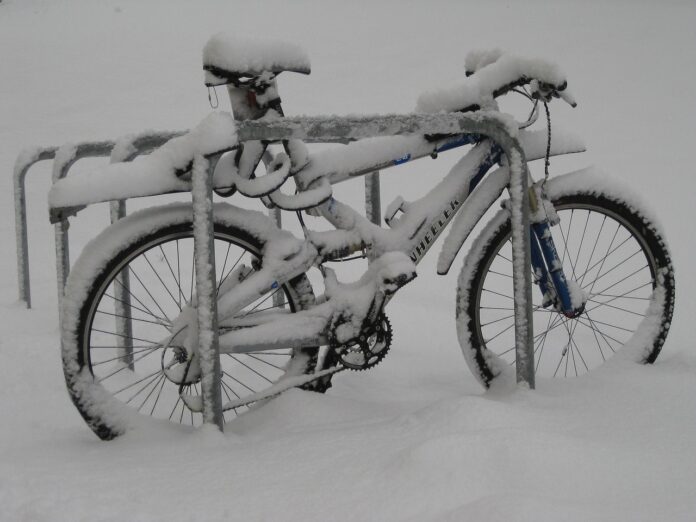
The weather in Maryland presents hazards that can affect public safety year-round. Winter conditions can lead to slippery roads and sidewalks, while heavy rains can create flooding in certain areas. Communities that proactively plan for these seasonal challenges can significantly reduce potential accidents and protect their residents from injury.
Preparedness measures include timely weather alerts, efficient drainage systems, and community education on safe practices during adverse conditions. Local authorities may implement road treatments, manage emergency shelters, and coordinate public services to address emerging hazards effectively. These precautions ensure that residents can carry on with their daily activities while mitigating risks during challenging weather conditions.
Residents themselves are key players in responding to weather-related threats. Staying aware of weather forecasts, following advisories, and taking part in community preparedness drills can significantly limit exposure to danger. When individuals act responsibly, supported by local infrastructure, the overall impact of seasonal risks is minimized, enabling Maryland communities to grow more resilient throughout the year.
Community Infrastructure and Safety Initiatives
Investments in public infrastructure and safety initiatives are vital for protecting residents. Parks, sidewalks, and recreational facilities that adhere to safety standards contribute to reducing preventable accidents. Programs designed to raise risk awareness, such as neighborhood watch schemes and community training sessions, also play a significant role in creating safer environments.
Continuous assessment of infrastructure quality and the effectiveness of safety programs is imperative. Gathering feedback from residents, conducting regular inspections, and making adjustments based on incident data allow communities to remain proactive. By pairing well-maintained facilities with educational initiatives, neighborhoods across Maryland can foster a culture centered on safety and preparedness.
Sustained investment in these programs ensures ongoing effectiveness. Expanding available resources, updating safety equipment, and enhancing public education initiatives allow communities to adapt to evolving challenges. This combination of physical upgrades and knowledge dissemination supports a lasting focus on safety for all residents.
Promoting Awareness and Prevention
The active participation of residents is essential for maintaining community safety. By being aware of their surroundings, following local rules, and engaging with safety programs, individuals share the responsibility for collective well-being. Communities that emphasize the importance of reporting hazards and supporting preventative initiatives enjoy better outcomes for everyone involved.
Advocating for prevention also involves open lines of communication between authorities and residents. Alerts, educational campaigns, and collaborative projects help ensure that potential risks are identified early and mitigated effectively. In Maryland, a fusion of informed residents, responsive infrastructure, and engaged community programs significantly enhances public safety while lowering the risk of incidents escalating into critical situations.
A culture of shared responsibility empowers residents to take proactive steps toward preventing accidents. When individuals remain vigilant and are supported by clear guidelines and resources, they contribute directly to the safety of their neighborhoods. This holistic approach not only safeguards individuals but also builds trust in local institutions, enhancing the overall quality of life within Maryland communities.
The post Safety and Risk Factors in Maryland Communities first appeared on MarylandReporter.com.