
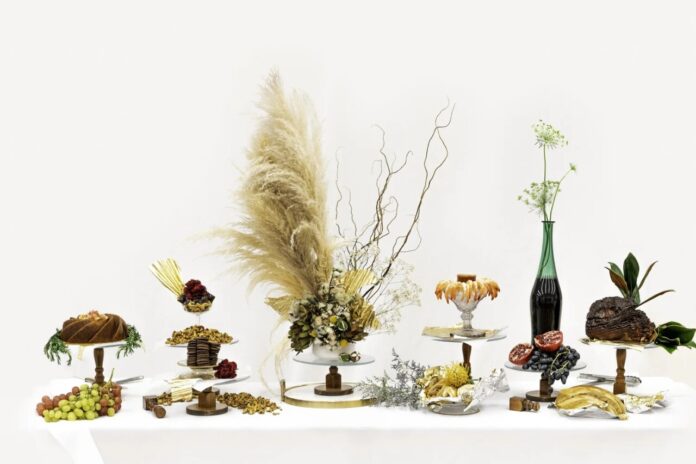
Food transcends mere ingredients on a plate; it embodies a deeper narrative.
For the nationally recognized food designer from Baltimore, Krystal Mack, culinary creations serve as a powerful platform for storytelling, healing, and initiating social change.
“It makes me proud to be from Baltimore. It makes me proud to be a Black woman,” Mack expressed.
Planting Seeds in Wilson Park
Located in the historic Wilson Park neighborhood, Mack is transforming her expansive 5,000-square-foot backyard into a vibrant community food garden.
“We’ll cultivate crops that reflect the heritage of the Black American South and the African diaspora,” she noted.
Wilson Park was established in 1917 by Harry Wilson, one of Maryland’s pioneering Black bankers who dedicated his efforts to building and selling homes to Black families during a time rife with housing discrimination.
The neighborhood was envisioned as a sanctuary for growth and prosperity. However, today it faces significant challenges.
Despite its rich history, Wilson Park is classified as a food desert, with over 30 percent of households lacking access to a vehicle, and the nearest supermarket located more than a quarter mile away.
Mack is hopeful that her garden initiative will restore both access and opportunity to the community.
“As Black individuals, we have practiced sustainability for a long time,” she remarked.
Designing Conversations Beyond Meals
Mack identifies as a food designer, artfully merging culinary arts with creative dialogue.
“I aim to initiate conversations that typically don’t happen in a dining context, delving into food histories,” she explained.
Her extensive home library houses nearly 400 cookbooks, many of which include her own contributions. However, her artistic ventures extend well beyond the kitchen space.
Her design studio collaborated with the Walters Art Museum to honor the legacy of Sybby Grant, an enslaved cook who once resided in the basement of the museum’s historic mansion.
“Many people don’t associate slavery with Baltimore City, but it’s a part of our history,” Mack emphasized. “It’s crucial to give voice and recognition to this woman.”
Grant meticulously noted her recipes but was never permitted to dine in the mansion’s elegant dining area. Mack’s installation offered a thoughtful environment for reflection and dialogue surrounding that historical context.
At the Baltimore Museum of Art, her piece titled “Table of White Supremacy” examined the systemic underrepresentation of people of color in positions of influence and authority.
Krystal Mack
“It’s less about crafting a product and more about creating experiences,” she clarified.
Reclaiming Complex Histories
Through her artistic endeavors, Mack also seeks to reclaim ingredients linked to troubled histories, repurposing them into meaningful connections and creative expressions.
In a demonstration involving indigo dyeing, she nourishes the fermentation vat with sweet potatoes, dates, bananas, and beets to keep the indigo thriving.
“I sought a method to engage with food in a way that promotes healing for me,” Mack shared.
Food as a Healing Medium
Mack’s projects go beyond mere historical exploration; they delve into the realm of healing.
One of her most intimate initiatives, titled “How to Take Care,” is a compilation of recipes and narratives contributed by individuals worldwide.
“This project was rooted in my experiences growing up in an abusive environment,” she revealed.
Profits from this endeavor benefited organizations like the House of Ruth, which supports survivors of domestic and intimate partner violence.
“I didn’t anticipate the magnitude of its reach and impact,” Mack acknowledged.
Paving the Way for Others
Despite her national acclaim, including being the first artist in U.S. Artist Fellowship history to receive recognition for utilizing food in an artistic context, Mack reflects on her challenging journey.
“I didn’t attend art or culinary school; my education didn’t include college,” she stated.
As one of the few Black women active in food design in her region, she often finds her work underestimated.
“When my contributions are overlooked, it feels as if the legacies of grandmothers, ancestors, and mothers are being diminished. That’s truly disheartening,” she lamented.
Nevertheless, she perseveres.
“The road has been difficult to navigate,” Mack continued. “Yet, the hope, pride, and joy I find lie in knowing that my efforts will make it easier for those who follow in my footsteps.”
As she prepares to establish a studio space and broaden her community initiatives, Mack remains committed to her mission in Baltimore, using food to bridge connections among past, present, and future.