
BALTIMORE, Md. — On Monday, Maryland Attorney General Anthony Brown revealed that he is co-leading a coalition of 24 attorney generals in submitting a comment letter that opposes a proposed federal rule. The coalition argues that this rule extends beyond the boundaries set by federal law and endangers the availability of federal funding for Medicaid.
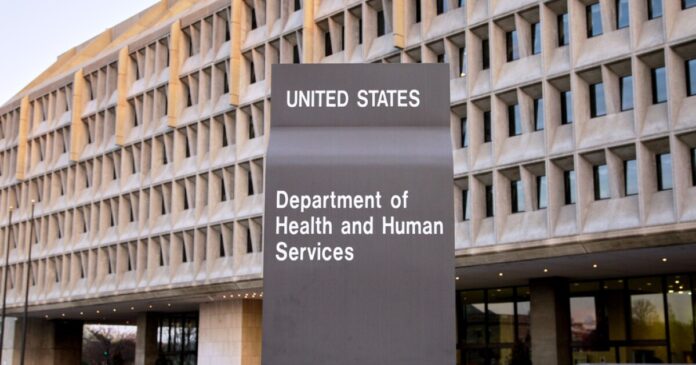
This proposed regulation comes from the Centers for Medicare and Medicaid Services (CMS), which operates under the Department of Health and Human Services. The rule will not be enacted until the public and various states have the opportunity to provide their feedback through submitted comments.
In the coalition’s letter, they contend that CMS is overstepping its authority by revising regulations in ways that Congress did not authorize.
Specifically, this rule could alter how the federal government addresses specific taxes, fees, and other payments that states collect.
The letter outlines four primary concerns regarding the proposed changes:
- This proposal would inappropriately disrupt state regulation of health insurers. For the first time, CMS would penalize states for collecting taxes and payments from health insurance providers by reducing their Medicaid funding. Such actions would contravene the law, jeopardize the Medicaid programs of states, and unduly interfere with state oversight of health insurance.
- The application of new limits on the collection of taxes and payments from health insurers appears to be improper. A law enacted by Congress in 2025 establishes specific limits on certain taxes and payments collected by states. However, CMS’s proposed rule attempts to enforce these limits on health insurers, which is neither mandated nor authorized by the 2025 legislation.
- The proposal seeks to eliminate a critical safety valve that has been in place for 30 years. CMS aims to modify the standards used to determine when state taxes and fees will impact federal Medicaid support. Some of these standards are embedded in federal law by Congress and are not subject to change by CMS.
- The introduction of cumbersome new paperwork requirements. States might be compelled to recreate financial records dating back to mid-2025 and develop entirely new systems for reporting from the ground up.
The coalition expressed their concerns succinctly, stating, “States are already stretched thin funding health coverage for their residents. This rule adds new federal overreach and red tape on top of that, without adequate legal justification.”
This is a developing story, so check back with WMAR2News.com for updates. Email the WMAR-2 Newsroom if you have info, photos or videos to share.
This story was initially reported by a journalist and has been converted to this platform with the assistance of AI. Our editorial team verifies all reporting on all platforms for fairness and accuracy.