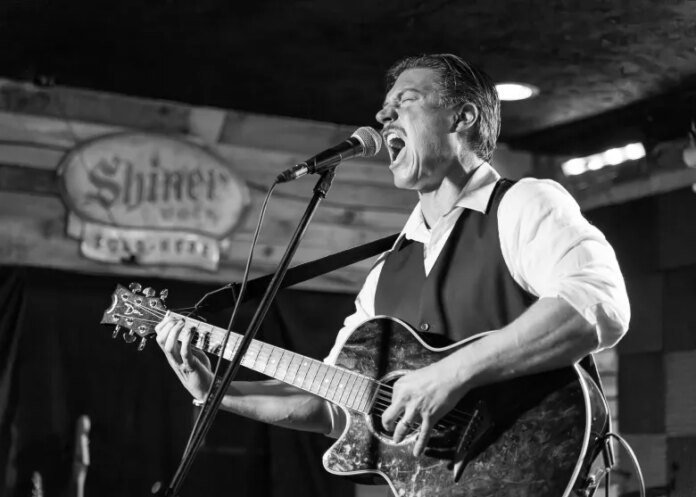
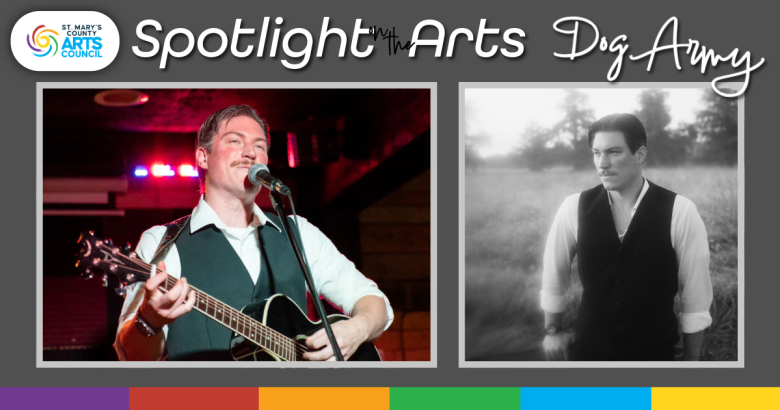
For the past 18 years, Erik Dionne has been captivating audiences with his music under the moniker Dog Army. His sound spans a diverse array of genres, typically ranging from minimalist acoustic folk to garage rock. Each piece carries a distinct southern gothic vibe that encapsulates his mood, storytelling, and aesthetic. “My music often feels cinematic, and I strive to create sounds in the most physical or analog manner possible. I aim to capture the essence of air and iron in my work,” Dionne shares.
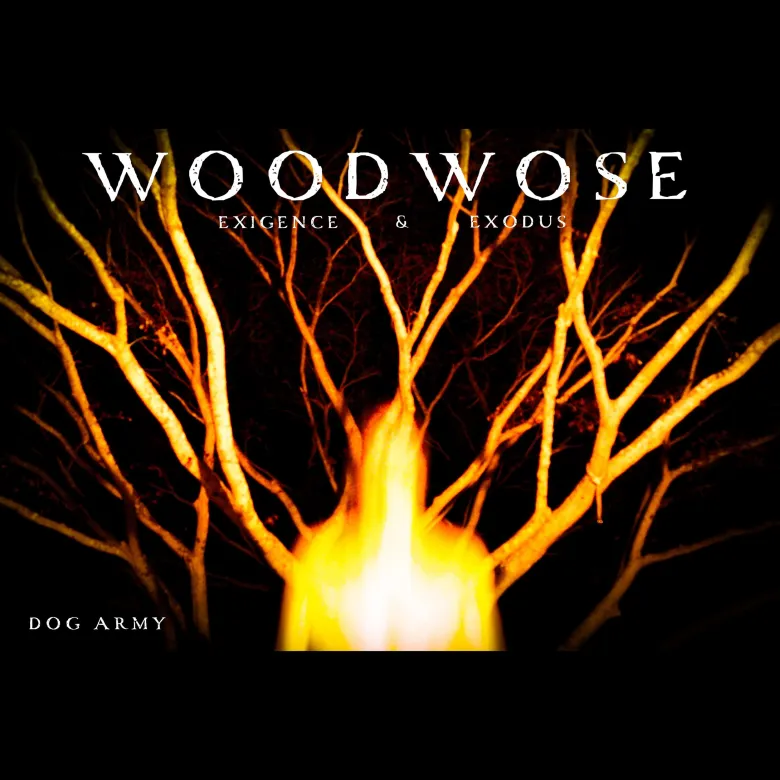
In celebration of his second album, Woodwose: Exigence & Exodus, Dog Army will host an album release concert at St. Inie’s Coffee Shop in Lexington Park, Maryland, on October 22, 2026.
“With today’s technology, we have instantaneous access to almost all recorded music—a remarkable era for both listeners and artists. However, it remains the listener’s responsibility to explore and uncover hidden gems within their local scene. Amazing music is being produced every single day. Keep searching, and always value art. Appreciate what resonates with you, and share it with others. This journey can sometimes feel isolating, but remember, music is ultimately designed to connect us,” emphasizes Erik Dionne.
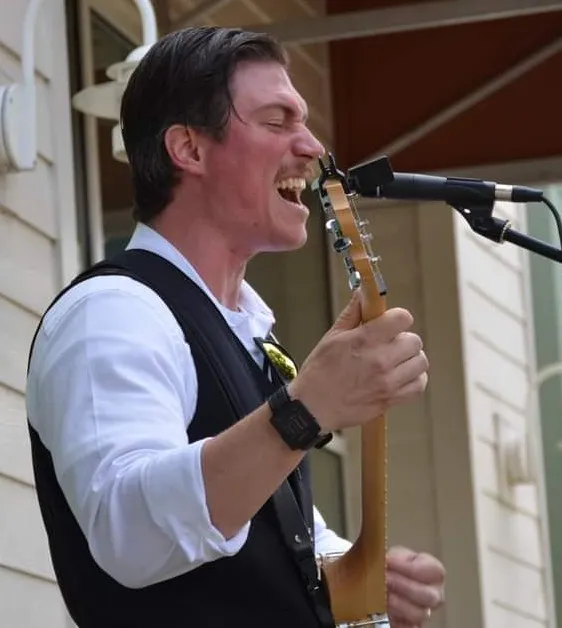
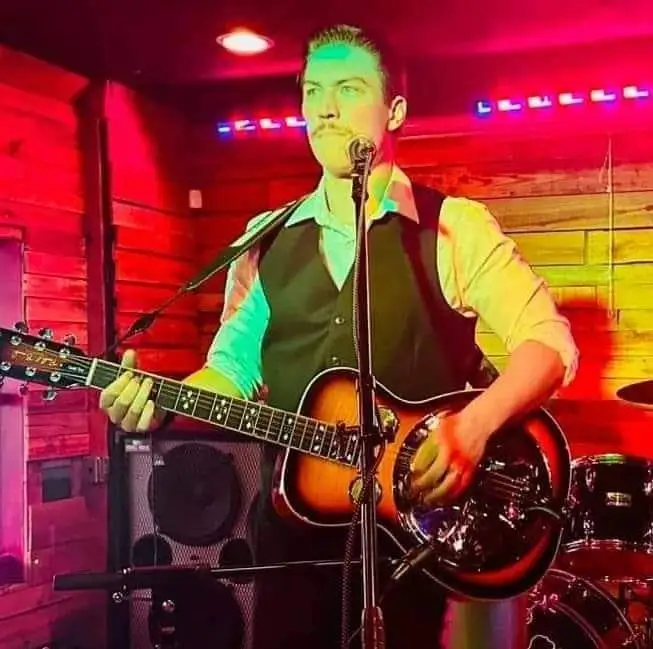
What inspired you to become a musician and when did that happen?
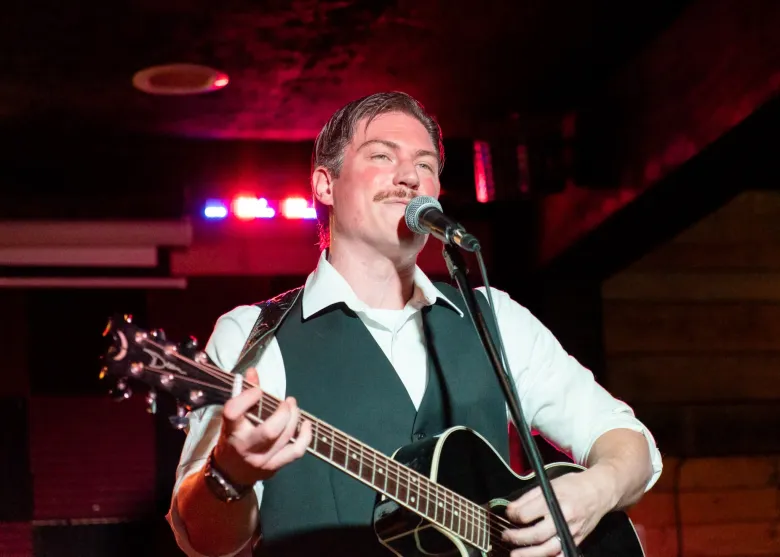
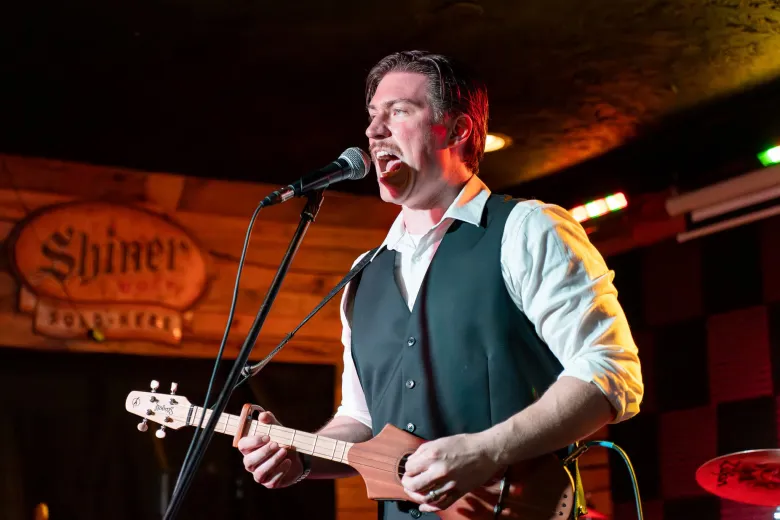
I began playing guitar at the age of 13, which significantly altered the course of my life. Even prior to that, I recognized my strong affinity for music and had a distinctive sense of what I enjoyed. However, acquiring a guitar finally granted me the ability to deeply engage with the sounds I had been aware of since childhood. With guidance from local artist Gost of The Pink Dream, who introduced me to fundamental techniques and how to read tabs, I quickly became engrossed in practicing, dedicating hours each day for many years. Though I now play various instruments, my core identity as a musician remains rooted in my guitar playing. To put it succinctly, I’ve been on this musical journey for 24 years now.
Was there a particular moment you can think back on where you knew you wanted to pursue music?
I vividly recall watching a live Eric Clapton concert on television with my parents. This was a few months before I got my first guitar, and at that moment, my parents joked, saying, “that will be you!” as Clapton played. At the time, I dismissed the idea of being able to achieve such skill. But just a year later, I had progressed significantly (though not quite to Clapton’s level) and had begun to embrace playing more complex pieces. At a friend’s birthday gathering, where we all brought our instruments, Gost joined in and we swiftly crafted what felt like a complete song. It was at that point that I realized I was on a path that I couldn’t turn back from; music would always be part of my life.
What were some of your musical inspirations?
My early musical inspirations differ from those that resonate with me today. At the core, I owe a great deal to The Smashing Pumpkins; Melon Collie and the Infinite Sadness was the first album I chose for myself at the tender age of six, and it has remained one of my all-time favorites. Raised amidst a blend of 90s rock, alt, and grunge, as well as a plethora of 70s and 80s music, I grew up with music as a constant companion. As I delved into guitar at 13, influential figures like Toni Iommi and Black Sabbath helped shape my playing style. Pink Floyd also had a significant impact on my musical journey, alongside a deep exploration of blues from the 1920s to the 1960s. The first time I heard Blind Willie Johnson’s “Soul of a Man,” I was profoundly affected, prompting me to discover more from artists like Son House, Robert Johnson, Leadbelly, J.B. Lenoir, Howlin’ Wolf, and Muddy Waters. Finally, at 16, Tom Waits’ Rain Dogs redefined my understanding of music’s possibilities.
Locally, I must highlight the impact of DJ and Dan from Rich Uncle Skeleton. At the age of 14, I witnessed them perform a nighttime set at a county fair (this was shortly after my first band played earlier that day, as previously mentioned). Their raw, chaotic, and intense performance transformed my perspective on what music could be—articulate yet brutal. It was a moment that shook me to my core. Years later, I discussed this experience with DJ, who is now one of my close friends. We both recognized that it showcased the incredible range of music’s emotional capacity: both painful and beautiful. That experience ignited a passion in me that cannot be extinguished.
What inspires you to write and compose the music that you do?
I find that I often write in search of answers to various questions. My debut album, Questionable Motives, explored the theme of “do we have free will?”—an inquiry perhaps not overtly obvious to listeners. My second album, Woodwose: Exigence & Exodus, emerged from a longstanding question I had since my teenage years: “Why didn’t people escape to the woods during the bubonic plague?” Fast forward to 2020, when I uncovered the complexities of this inquiry, as it reveals the challenges of escaping societal problems. Throughout the creative process, I spend weeks or even months contemplating these questions, often conducting literary research. Characters frequently emerge within my songs, providing a lens through which to explore these inquiries, ensuring a grounded and impactful listening experience. Without these characters, my work could risk feeling hollow, lacking a genuine connection to humanity. This tension often manifests in the darker elements of my music, as I aim to highlight society’s difficult aspects and challenge its ugliness.
Tell me something that you feel Southern Maryland contributes to your art form?
Having spent my life in St. Mary’s County (with a brief five-year stint in College Park for college), my experiences have been diverse and enriching. Traveling extensively across the United States and Europe has provided me with valuable insights into the world. St. Mary’s County is vast, taking over an hour to drive from its northern tip to the southernmost part. It holds a rich tapestry of history and modern suburban life, making it challenging to encapsulate its identity. This duality reflects in many of its residents—some family lineages run deep for generations, while newcomers bring fresh traditions and perspectives from far-off places. This blend fosters an eclectic mix of ideas—some highly progressive and others antiquated. Perhaps this diversity enriches the fabric of my music, as one song may evoke a Nashville honky-tonk vibe while another feels born from a New York soundscape. Nature remains a constant presence in my life here, and I hope it continues to thrive in our county. My childhood was shaped by the river and the woods, and now as an adult, I appreciate teaching in our diverse community and cherishing its people. St. Mary’s County embodies snapshots of both the best elements and some of the most difficult struggles in the country. Along with the four seasons we experience, this complex backdrop likely informs my artistic identity—a blend that eludes strict categorization.
Where can people find your albums? What does the future hold for you as an artist?
My albums, Questionable Motives and Woodwose: Exigence & Exodus, are available on all major streaming platforms, including Bandcamp. Many outside the musician community may not be familiar with Bandcamp, but it’s an excellent platform for supporting artists, so I encourage everyone to explore it. Additionally, I’m considering producing physical copies of my albums, which will be available at shows or on my Bandcamp page if there is enough demand.